Love the idea of sipping your morning coffee while ferries cross Elliott Bay and the skyline glows below you?
That’s everyday life in West Queen Anne.
With a walkable hilltop core, iconic viewpoints, historic homes, and quick access to Seattle’s cultural heartbeat, this neighborhood blends charm, convenience, and serious scenery. If you’re trying to decide whether it fits your lifestyle, it helps to understand the real day-to-day — not just the postcard version.
Here’s how I break it down for clients.
West Queen Anne at a Glance
Geography + vibe
Queen Anne rises just north of downtown.
-
West Queen Anne hugs the slope facing Elliott Bay
-
Upper Queen Anne crowns the top
-
Lower Queen Anne (aka Uptown) borders Seattle Center
It feels slightly elevated — literally and figuratively. You’ll find families, longtime homeowners, young professionals, and retirees all mixed in. It’s polished but still neighborhood-y. People know their baristas.
And yes — it’s a hill. A “short walk” can absolutely mean uphill.
The Daily Rhythm
Mornings usually mean walking to cafés and bakeries along Queen Anne Avenue North. Evenings bring restaurant energy, locals out with dogs, and a little buzz — but it’s rarely chaotic.
Event days at Seattle Center (concerts, arena games, festivals) can spike activity in Lower Queen Anne. A few blocks up the hill, though? It’s surprisingly calm.
That balance — close to everything, but not in the middle of it — is why people stay.
Parks & Outdoor Life
The View Factor
Kerry Park is the obvious star. It’s compact, easy to reach, and delivers that classic skyline + Elliott Bay + Mount Rainier shot on clear days. I still bring clients there if they’re new to Seattle. It never disappoints.
Scattered around the hill are smaller parks and green pockets — perfect for dog walks or a quick reset.
Stairs + Waterfront Access
Queen Anne’s public stair streets are part of daily life. They’re shortcuts. They’re workouts. They’re character.
For longer runs, waterfront walks, or biking, Myrtle Edwards Park is close by. It’s an easy change of scenery when you want flatter ground and open water.
If mobility is a concern, I always recommend focusing on flatter streets near the top. (I grew up on a very steep slope — I understand how real that can be.)
Everyday Convenience
Groceries & Services
Queen Anne Avenue North is the anchor. You’ve got cafés, restaurants, bakeries, neighborhood grocers, salons, and day-to-day essentials all within a few blocks.
You don’t need to leave the hill often.
Larger shopping centers are a short drive away, but daily life here is very self-contained.
Dining & Culture
Dining runs from casual neighborhood staples to solid date-night spots. A few cozy bars round it out.
Being near Seattle Center means concerts, museums, and arena events are always within reach. The tradeoff? Heavier foot traffic and tighter parking on big-event days.
Residential streets just off the commercial core stay much quieter — that’s something I point out on tours.
Housing on the Hill
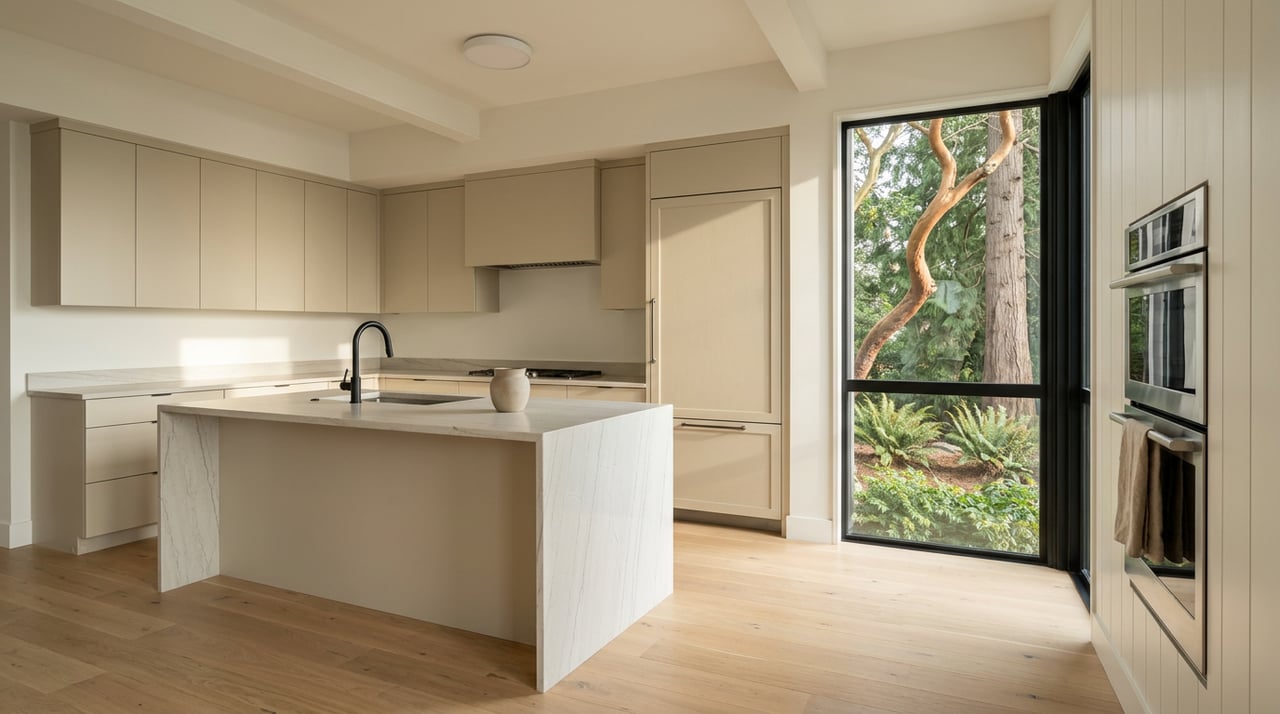
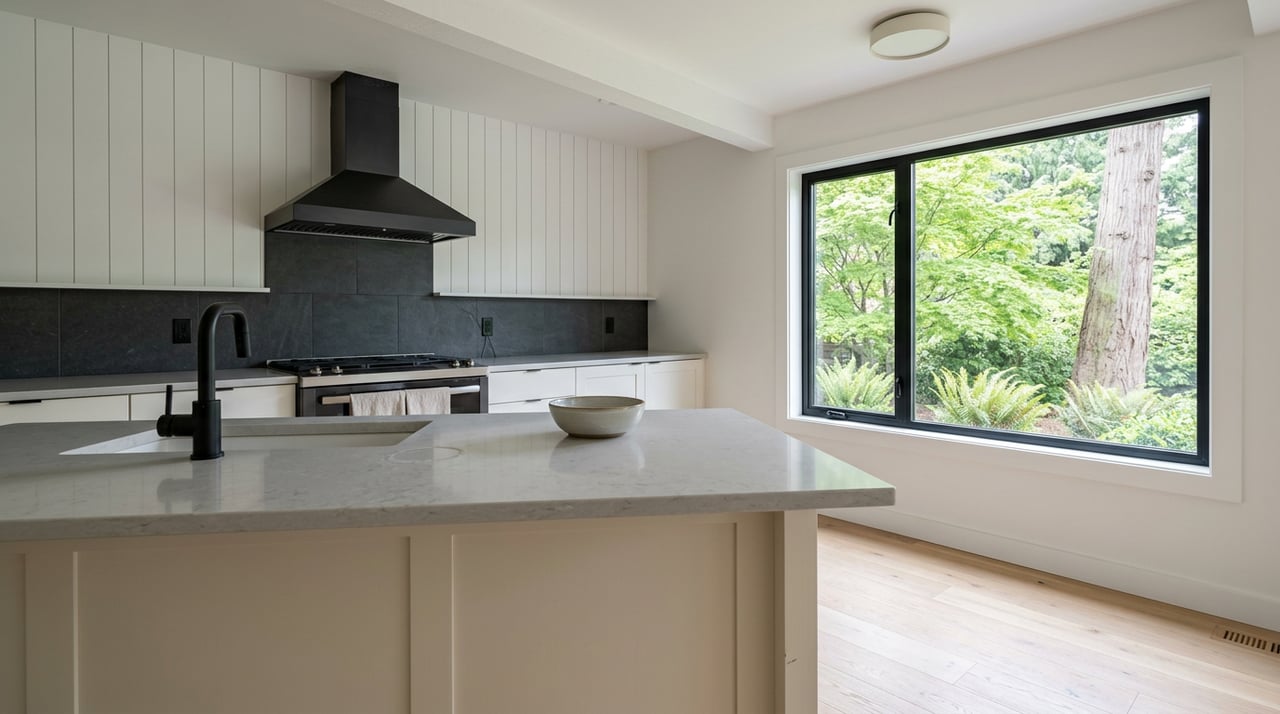
Queen Anne is architecturally eclectic.
You’ll see:
-
Late-19th and early-20th century homes
-
Craftsman and Colonial classics
-
Mid-century renovations
-
Modern infill townhomes
-
Condos and mid-rise buildings closer to Uptown
West-facing homes with water or skyline views carry a premium. Larger historic homes do, too.
Condos and townhomes offer more accessible entry points than detached houses — but remember to review HOA reserves, CC&Rs, and any pending assessments carefully.
Price Context & Market Pace
Queen Anne typically sits above Seattle’s median pricing — central location + views + culture will do that.
Well-priced homes can attract strong interest quickly, especially detached houses with views. Condos offer more flexibility on price bands.
This is not usually a “wait and see” micro-market. Strategy matters.
My Smart Buyer Checklist
When I’m advising buyers here, we look at:
-
Views — then verify. Check easements. Look at neighboring lot potential. Infill happens.
-
Parking realities. Street permits, time limits, tight garages.
-
Property records. Permits, upgrades, moisture management history.
-
Older-home budgeting. Seismic retrofits, roofs, systems.
-
School boundaries. Always confirm for the specific address.
No surprises later.
Getting Around
Transit
King County Metro buses connect Queen Anne to downtown, South Lake Union, and beyond. Many commuters transfer downtown to regional light rail.
Driving downtown typically runs 10–25 minutes depending on traffic. Event days can shift that.
Walking & Biking
Near the commercial core, it’s very walkable.
Elsewhere? Elevation adds effort.
Cycling works well if you’re comfortable with hills or plan routes thoughtfully. Infrastructure continues improving, but smart route selection helps.
Is West Queen Anne a Fit?
If you love:
-
Skyline and water views
-
Café culture
-
Being close to concerts, museums, and dining
-
A neighborhood feel with city access
West Queen Anne delivers.
You’ll balance that with:
-
Steep streets
-
Event-day parking pressure
-
A competitive housing market
For many of my clients, the lifestyle tradeoff is absolutely worth it — calm residential blocks with the city at your fingertips.
If you’re thinking about buying on the hill — or preparing a home here for market — it helps to work with someone who understands the micro-locations, the view premiums, and the details buyers actually scrutinize.
West Queen Anne isn’t just about the view. It’s about how you want your days to feel.
And when it fits, it really fits.
Michelle Codd