Thinking about selling your Magnolia home, but the prep feels overwhelming? You’re not alone. Between repairs, staging, permits, and paperwork, it can feel like a second job. The good news: with a simple plan tailored to Magnolia buyers and clear checkpoints for what actually matters, you can get market-ready without the stress. In this guide, you’ll learn what to fix first, which updates pay off, the legal must-dos in Seattle, and a calm week-by-week timeline you can follow. Let’s dive in.
Magnolia market snapshot and what it means
As of January 2026, third-party market snapshots put Magnolia’s median sale price around $1,172,500 with a median 24 days on market, and a neighborhood home-value index near $1.23M. Different aggregators use different methods, so you’ll see variation between sources. Always update these figures with your agent’s latest MLS report before you list.
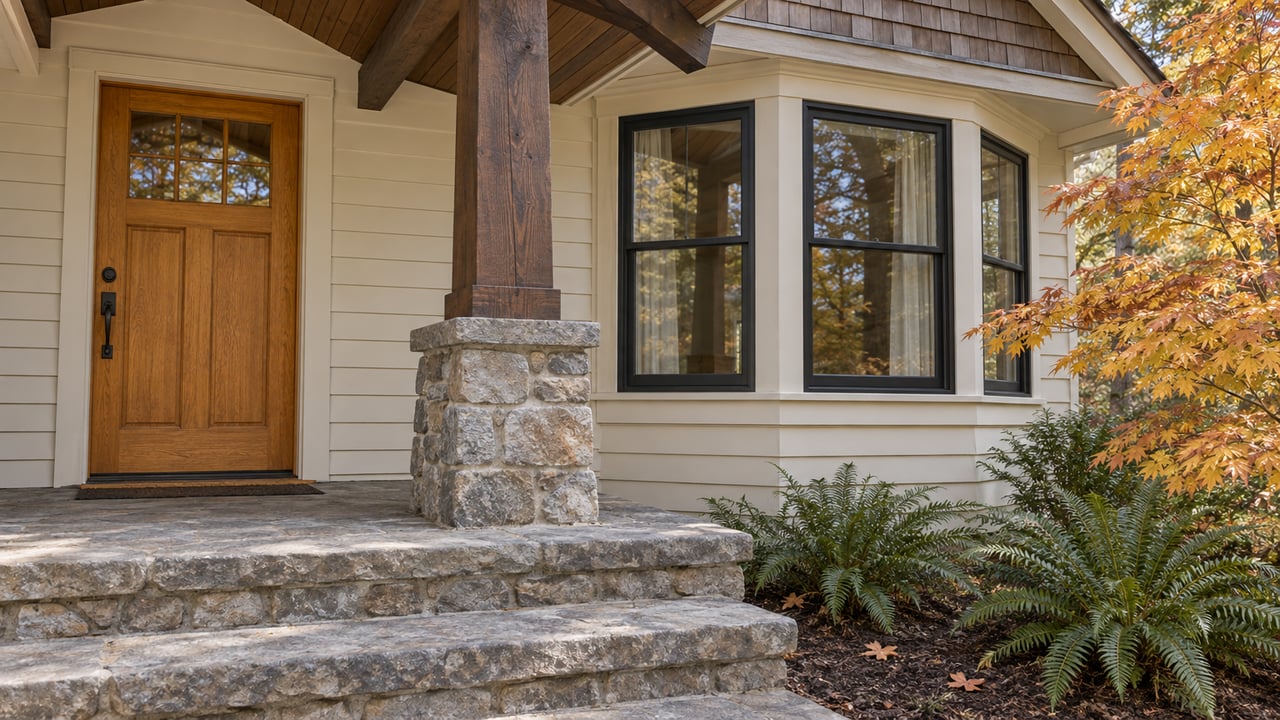
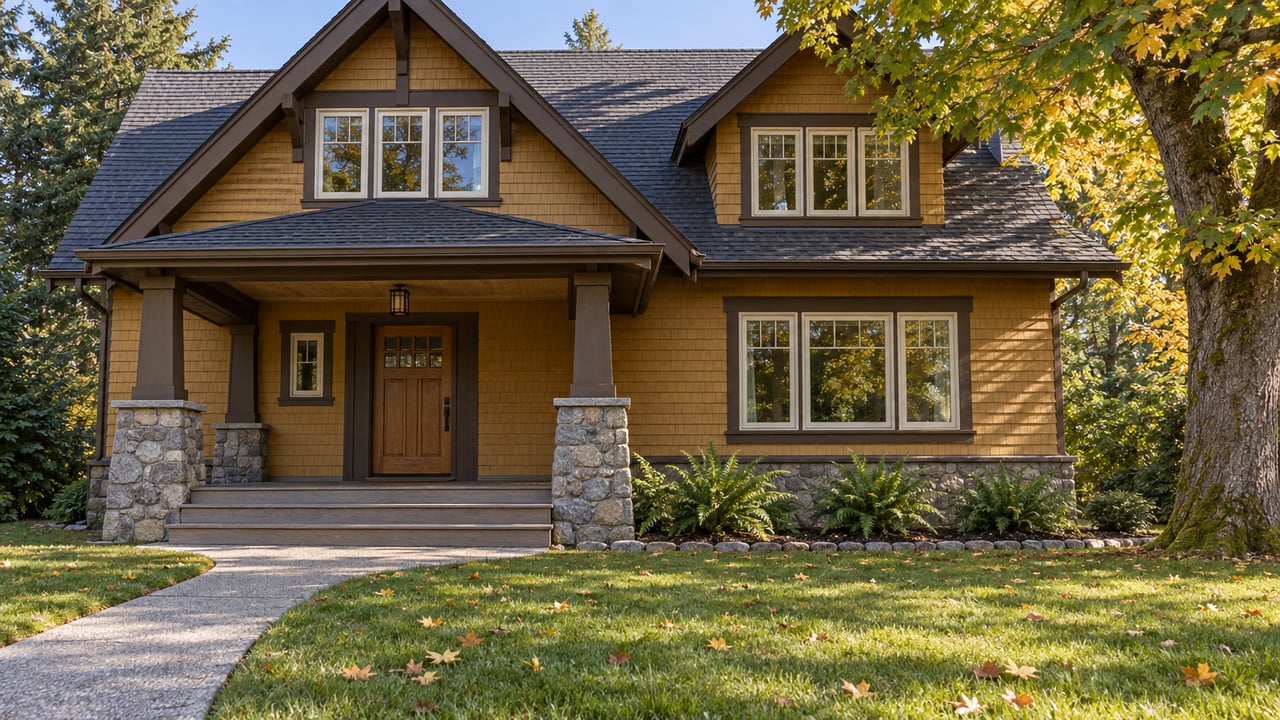
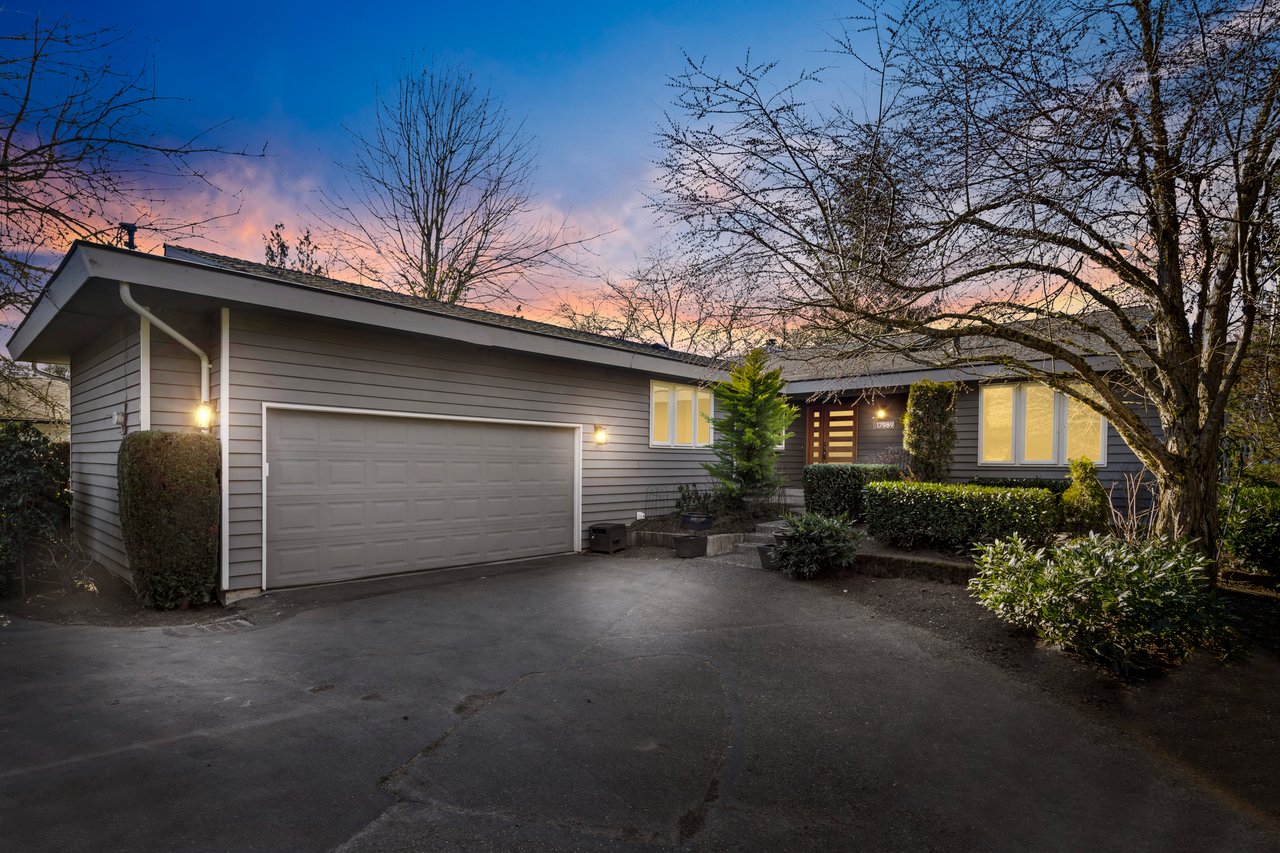
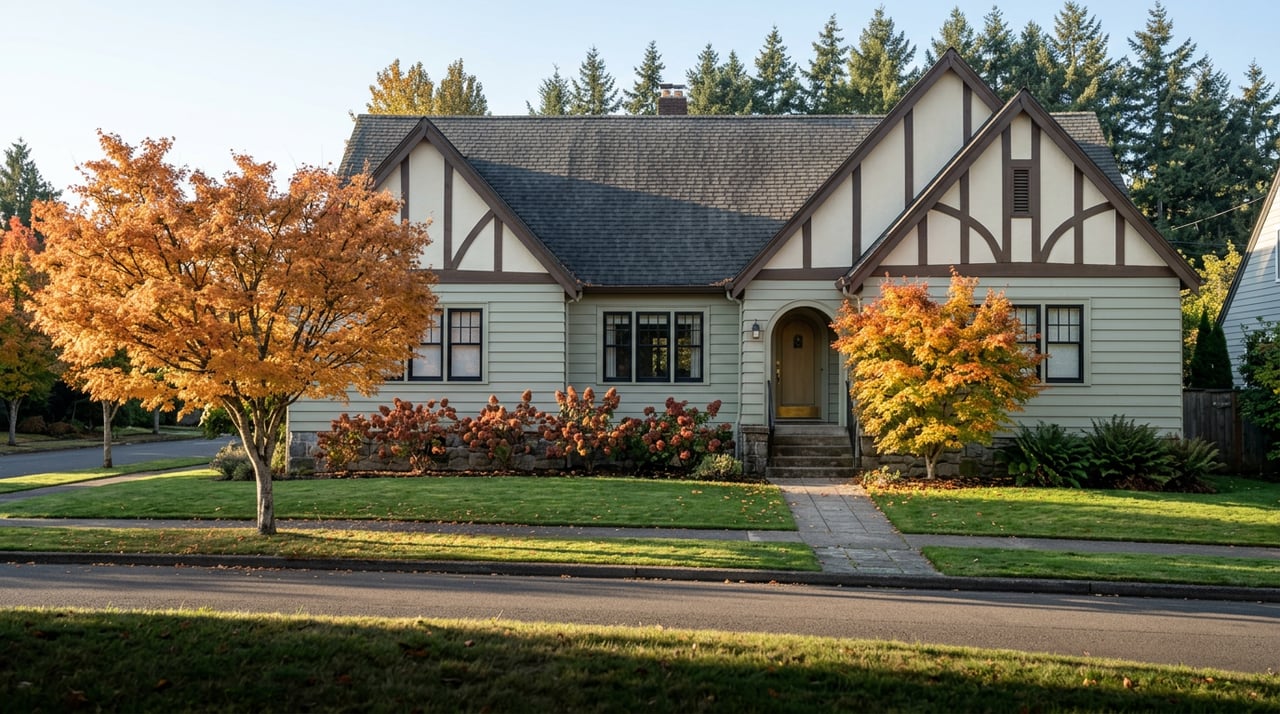
What buyers prioritize in Magnolia: outdoor access, light, and views, along with proximity to Discovery Park. The housing mix runs from mid-century ranches and classic Craftsman or Tudor homes to modern remodels and view properties. That means your prep should showcase what Magnolia buyers come for: clean sightlines to the view, bright rooms, and move-in confidence.
Fix first: a simple triage
Start with the items that can derail a sale, then move to systems buyers expect to be reliable, and finish with the cosmetic updates that photograph and show well.
Tier A: Safety, disclosure, obvious defects
Handle these before anything else:
- Active leaks, roof issues, major electrical faults, and plumbing problems.
- Visible mold or moisture concerns.
- Unclosed permits or known unpermitted work. Verify whether prior work required and received a final permit. Seattle’s rules vary by scope, so check Seattle’s SDCI permit guidance to confirm.
Leaving Tier A issues unresolved often costs more in price reductions or failed escrows than the repair itself.
Tier B: Systems buyers expect
- Service HVAC and water heater, address plumbing drips, and ensure electrical is safe and functional.
- Fix small structural items buyers notice, like loose stair rails or wobbly deck posts. Some scopes may need a permit per SDCI.
Receipts for recent maintenance help buyer confidence.
Tier C: High-impact cosmetic wins
National 2025 averages show several modest projects often recoup well at resale: garage-door replacement (about 268 percent recoup), steel entry door (about 216 percent), and a mid-range minor kitchen remodel (about 113 percent), according to the 2025 Cost vs. Value report. Neutral paint, bright bulbs, refreshed light fixtures, updated cabinet hardware, and tidy landscaping also boost showings.
These are national figures. Ask your agent to localize ROI to Magnolia comps and your price band before greenlighting any project over $20,000.
Tier D: Big remodels to think twice about
Large additions or highly customized upgrades usually have lower recoup percentages. They may still make sense if data shows a clear premium for your home type, but check local comparables with your agent first.
Permits, pros, and paperwork you need
Getting the compliance pieces right reduces risk and last-minute surprises.
Permits in Seattle
Many additions, structural changes, and some decks or remodels require permits. Some routine maintenance does not. When in doubt, review SDCI’s house additions and remodels guide. If you discover prior work without a final inspection, discuss next steps with your agent before listing.
Vetting contractors in Washington
Only hire registered, insured contractors. Washington requires registration, a continuous surety bond, and proof of insurance. Confirm status using Washington L&I contractor verification. Request a written scope, milestones, and lien-release language before work starts.
Seller disclosures: Form 17
Washington law requires most sellers to provide the statutory seller disclosure, known as Form 17. You must deliver it no later than five business days after mutual acceptance, and buyers receive a statutory rescission window after they get it. See RCW 64.06.020 for details. Timing this correctly helps keep your deal on track.
Lead paint for pre-1978 homes
If your home was built before 1978, federal rules require you to provide the EPA/HUD pamphlet, disclose known lead information, and give buyers a 10-day opportunity to conduct a lead inspection or risk assessment unless waived in writing. Review the official EPA/HUD lead-safety pamphlet.
What to gather before you list
- Permit records for past work and final inspection proofs
- Receipts and service records for major systems and appliances
- HOA documents, if applicable
- Completed Form 17 disclosure per RCW 64.06.020
- Any prior lead testing reports and the EPA pamphlet for pre-1978 homes
Staging and photos that resonate in Magnolia
Staging helps buyers visualize how to live in a space, and industry surveys consistently report that a large majority of buyer agents see that benefit. In Magnolia, focus on the features buyers come to see.
- Maximize views and outdoor living. Prune shrubs, clean windows inside and out, and stage decks or patios with simple seating. If there is a water or territorial view, let it be the hero in photos.
- Create a home-office vignette. Many Seattle buyers value a dedicated work area. A tidy desk nook in a secondary bedroom or loft reads as remote-work ready.
- Brighten and neutralize. Use warm neutral paint, brighter bulbs, and open blinds for photos to make rooms feel larger.
- Prioritize the living room, kitchen, and primary bedroom. These spaces carry most of the decision weight.
- Plan for professional photography and, where appropriate, a 3D tour. Schedule dusk or twilight photos for view homes to capture the skyline or water glow.
A calm, 6–8 week plan that fits real life
You can prepare for market without turning your life upside down. Here’s a straightforward timeline many Magnolia sellers follow.
Week 0: Strategy and scope
- Walk-through with your agent to define scope, timeline, and target list window.
- Discuss a pre-listing inspection if you want a proactive punch list.
- Start Form 17 and organize permit records, receipts, and HOA docs.
- If your home predates 1978, prepare the EPA pamphlet for transfer at the right time.
Weeks 1–3: Safety and systems first
- Address Tier A items: leaks, electrical hazards, moisture or mold, and obvious defects.
- If a project needs a permit, follow SDCI guidance.
- Schedule trades during daytime blocks. Use one point of contact to manage access and reduce disruption.
- Before hiring, verify pros through Washington L&I and get a written scope with milestones and lien releases.
Weeks 3–5: Cosmetic updates and staging prep
- Paint touchups or whole-room neutral paint as needed.
- Refresh cabinet hardware, update dated light fixtures, and power-wash the exterior.
- Consider high-ROI curb appeal items. Nationally, garage and entry-door updates score well per the 2025 Cost vs. Value report.
- Bring in the stager to plan priority rooms. Book pro photos and your 3D tour. For view properties, schedule a twilight slot.
Week 6: Final clean and launch
- Deep clean, declutter, and tidy landscaping. Install staging accents.
- Go live with your marketing package. After mutual acceptance, deliver Form 17 on time per RCW 64.06.020.
- If you completed a pre-listing inspection, share the summary to build buyer confidence.
Tip: Many painters, stagers, and cleaners offer evening or weekend slots. A single coordinator keeps noise and reschedules to a minimum.
The quarterback checklist your agent should own
A high-touch listing agent reduces your workload and keeps the process moving. Ask your agent to:
- Run a pre-listing walk with you, a contractor, the stager, and the photographer.
- Verify prior permits and final inspections through SDCI when work is in question, and advise on how to close or document open permits.
- Vet contractors via Washington L&I and collect written quotes with timelines.
- Prepare Form 17 and the lead-safety pamphlet for timely delivery, and explain the buyer’s rescission window under RCW 64.06.020.
- Coordinate staging and pro photography around the best natural light, including a home-office vignette and outdoor living setup.
- Offer simple, tactical incentives when appropriate, such as a small home warranty or a targeted repair credit, without substituting for visible maintenance.
Quick prep checklists
Here are short, copy-ready lists you can use right away.
Quick fixes, 0–2 weeks
- Declutter and depersonalize, then deep clean.
- Touch up paint and brighten bulbs.
- Power-wash exterior, clean windows, and prune to open sightlines.
- Fix squeaky hinges and loose door hardware.
Mid-priority, 2–6 weeks
- Service HVAC, replace filters, and address drips.
- Fix deck railings and wobble points.
- Patch roof if there is active leaking.
- Update dated kitchen hardware or very worn counters.
Budget upgrades, 6–12 weeks
- Consider a minor kitchen refresh: paint or reface cabinets, update counters, swap a few appliances.
- Replace an older garage or entry door for instant curb appeal. Use national ROI data as a guide, then localize with Magnolia comps before you commit.
You don’t have to do everything. Focus on safety, function, light, and first impressions. That’s where Magnolia buyers make decisions.
Ready to prep your Magnolia home with less stress and more strategy? Request a free, no-obligation pre-listing checklist and a Magnolia ROI scorecard from Michelle Codd. You’ll get a clear plan, contractor coordination, staging, professional photography, and modern marketing built to maximize your result.
FAQs
What repairs add the most value before selling a Magnolia home?
- Start with safety and obvious defects, then ensure systems work reliably. For ROI, national data shows garage and entry-door replacements, plus a minor kitchen refresh, often deliver strong returns. Localize the plan with Magnolia comps before you invest.
Do I need a permit to remodel a kitchen or repair a deck in Seattle?
- It depends on the scope. Many structural changes, additions, and some deck projects need permits. Review SDCI’s permit guide and verify whether prior work has finaled inspections.
How does Washington’s Form 17 affect my sale timeline?
- Most sellers must deliver the statutory disclosure no later than five business days after mutual acceptance, and buyers receive a statutory rescission window after receiving it. See RCW 64.06.020 and plan delivery with your agent.
What should Magnolia staging focus on to attract buyers?
- Maximize light and sightlines to any view, create an inviting outdoor seating area, and add a simple home-office setup. Prioritize the living room, kitchen, and primary bedroom, and use bright, neutral finishes.
Do I have to disclose lead paint in an older Magnolia house?
- For most homes built before 1978, federal law requires you to provide the EPA/HUD pamphlet, disclose known lead information, and offer buyers a 10-day opportunity for a lead inspection unless waived. Review the EPA lead-safety pamphlet.
How much should I budget for staging and marketing in Magnolia?
- Professional staging can range from a few hundred dollars for targeted rooms to several thousand for a full, vacant home. Plan for pro photography and, when it adds value, a 3D tour. Ask your agent for Magnolia-specific vendor quotes and references.
Should I get a pre-listing inspection?
- It’s optional but helpful if you want to surface and address issues on your timeline. Use the findings to complete Form 17 accurately and guide your repair priorities before going live.