Can’t decide between waking up to sweeping Puget Sound views or strolling to coffee, groceries, and dinner in minutes?
That’s Magnolia in a nutshell.
In Magnolia, you’re often choosing between west-facing bluff and shoreline “view” homes or a home you can walk from to Magnolia Village in five minutes flat. Both deliver a classic Seattle lifestyle — just with very different daily rhythms, price points, and long-term considerations.
If you’re thinking about buying (or selling) here, this is where the real tradeoffs show up — parking, transit, permitting, maintenance, resale. Let’s break it down the way I explain it to my clients.
Magnolia at a Glance
Magnolia is a peninsula just northwest of downtown Seattle. It feels tucked away, but you’re still close to everything.
Two anchors define it:
-
The bluff-top stretches along Magnolia Boulevard overlooking Puget Sound and the Olympics
-
The compact neighborhood core known as Magnolia Village
And then there’s Discovery Park — Seattle’s largest city park — with miles of trails, beaches, and the iconic West Point Lighthouse.
It’s hard to go wrong here. The question is how you want to live day to day.
Two Micro-Locations I’m Constantly Comparing for Clients
1. Bluff & Shoreline View Homes
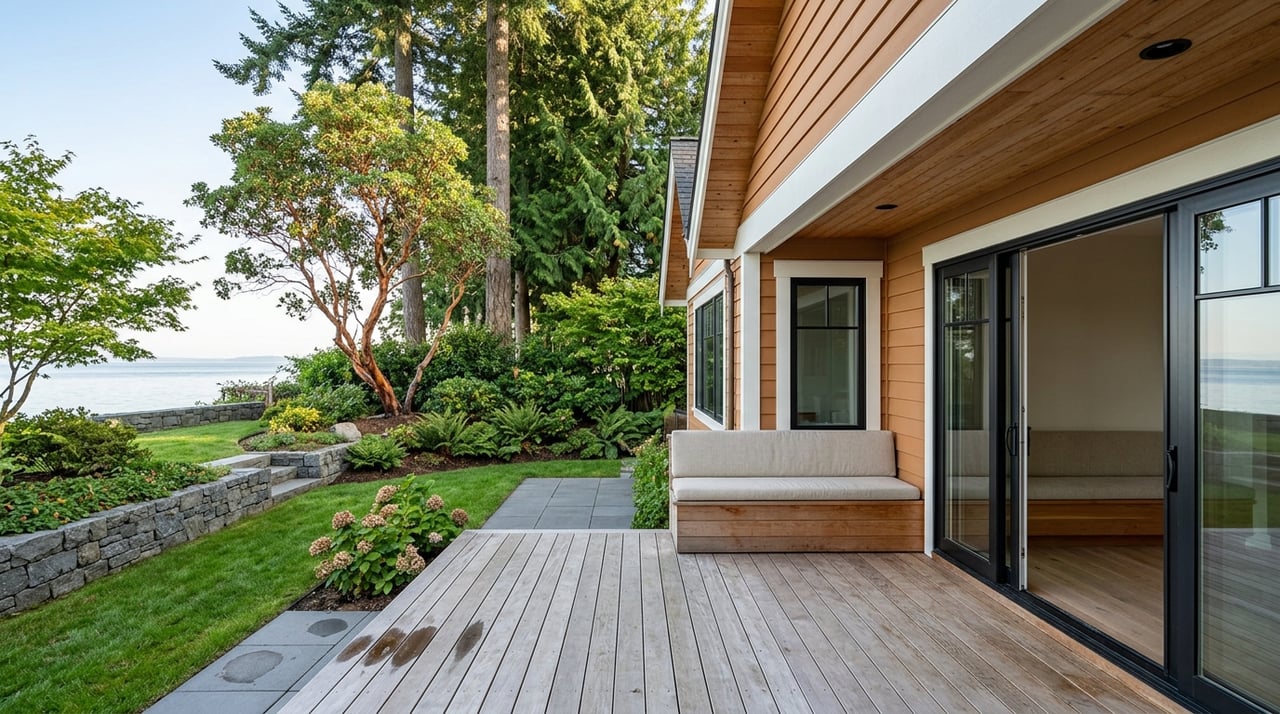
Along Magnolia’s western edge — especially off Magnolia Boulevard — you’ll find west-facing water views, Olympic Mountain sunsets, and in some spots, downtown skyline peeks.
What I see in the housing stock:
-
Mid-century homes (some beautifully renovated)
-
Modern rebuilds designed around glass and decks
-
Reverse floor plans to capture the view
-
Larger, but sloped lots
Translation? Expect multi-level living. Stairs. Retaining walls. Sometimes steep or narrow driveways.
The views are stunning. The topography is real.
2. Village-Proximate Homes
If walkability is your love language, focus near W McGraw Street and 34th Ave W.
Here you’ll see:
-
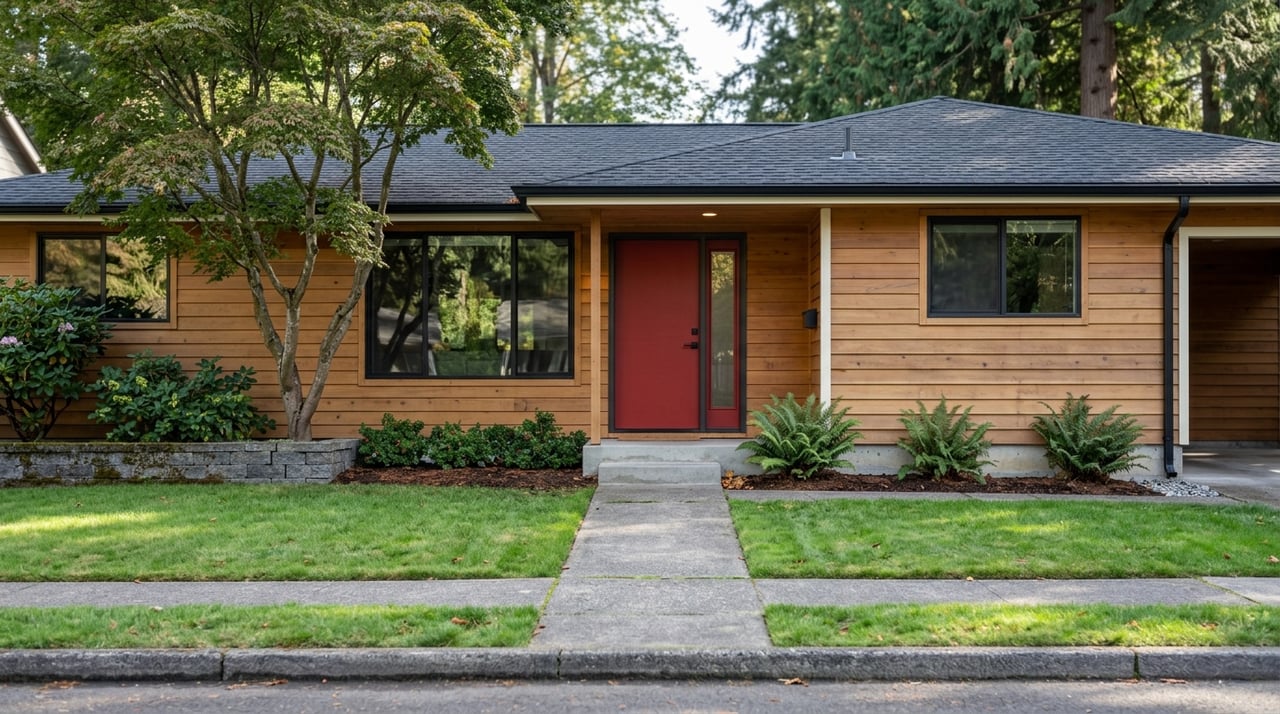
Smaller single-family homes and bungalows
-
Townhomes
-
Low-rise condos
-
Flatter lots
The streets feel more “main street.” You can grab coffee, run to the market, meet friends for dinner — all without moving your car.
There’s been consistent community effort around pedestrian comfort and curb appeal, supported by groups like the Magnolia Beautification Initiative.
It’s practical. It’s social. It’s easy.
Daily Life & Commute: The Real Difference
Walkability
Village living = errands on foot.
Bluff living = sunsets, but usually driving for daily needs.
It’s that simple.
If you love spontaneous coffee runs and quick grocery stops, the Village wins.
If you want that “wow” factor every time you look out your window, the bluff delivers.
Parking & Access
Near the Village:
-
Street parking can be tight during SummerFest or farmers markets
-
Condo buyers should verify assigned parking and guest spaces
On the bluffs:
-
Most homes have garages or driveways
-
But grade, width, and turning radius matter (especially in winter)
These are things I always check with buyers before we get emotionally attached.
Transit to Downtown
Magnolia is served by King County Metro, including Route 24, which connects to downtown Seattle.
That said — service isn’t as frequent as denser neighborhoods. Many residents still rely on cars, especially for Eastside commutes.
If commuting matters, we look at it address by address.
Outdoor Access
Bluff homes:
-
Immediate access to Magnolia Boulevard viewpoints
-
Easy sunset walks
-
Shoreline overlooks
Village homes:
-
Grab coffee, then head to Discovery Park
-
Quick access to beaches and trails
-
Close to the 2.8-mile park loop
Both lifestyles are outdoorsy. One is scenic-first. One is convenience-first.
Home Types & Maintenance
Bluff homes often mean:
-
Reverse floor plans
-
More stairs inside and out
-
Terraced yards
-
Retaining wall upkeep
Village homes offer:
-
Flatter lots
-
More low-maintenance options
-
Condos and townhomes for simpler living
If you want fewer long-term structural considerations, the Village cluster is often easier.
Costs, Permits & Risk: What Buyers Need to Know
This is where I get very practical with clients.
Steep-Slope & Geotechnical Requirements
Parts of the bluff qualify as steep-slope or landslide-prone under Seattle Municipal Code Title 25.
Major remodel? Addition?
You may trigger geotechnical studies and stricter review.
Before writing an offer, I recommend:
-
Reviewing past geotech reports
-
Confirming critical-area designations
-
Understanding buffers and buildable area
Shoreline & Bulkhead Restrictions
If a property has shoreline structures like a bulkhead, it’s regulated under the city’s Shoreline Master Program, including Ordinance 124105.
Important reality:
New hard armoring isn’t automatically approved. “Soft” stabilization is often preferred.
Bulkhead replacement can require:
-
Special approvals
-
Environmental review
-
Mitigation
These are not cosmetic upgrades. They’re serious line items.
Views Are Not Automatically Protected
This surprises people.
Unless there’s a recorded view easement, your view is not guaranteed. A neighbor can build higher or trees can grow.
If the view is the reason you’re buying, we:
-
Review title
-
Look for easements
-
Evaluate neighboring lot potential
No assumptions.
Insurance Considerations
Slope exposure. Coastal weather. Seawalls.
Insurers evaluate these differently. I always suggest getting quotes early, especially for bluff or shoreline homes.
Market & Resale Reality
Magnolia generally trades above the citywide average. Micro-location matters.
Bluff & shoreline homes:
-
Often command a view premium
-
Appeal to a more specific buyer pool
-
May trade less frequently
Village homes & condos:
-
Broader buyer pool
-
Popular with professionals and downsizers
-
Often quicker resale in strong price bands
Both perform well when priced and positioned correctly.
How I Help Clients Decide
I usually ask three questions:
-
Do you want a daily water view more than daily walkability?
-
Are you comfortable budgeting for slope or shoreline maintenance?
-
Who is your likely buyer in 5–10 years?
The right choice isn’t about which is “better.” It’s about which fits your life — and your long-term plan.
Buyer Due-Diligence Checklist
When touring:
-
Confirm the view on a clear day
-
Review title for view easements
-
Request geotechnical reports for bluff parcels
-
Check shoreline permits and repair history
-
Verify parking and access details
-
Talk to your insurer early
These small steps prevent expensive surprises.
Final Thoughts
Magnolia is special because it gives you options.
Sunset views over Puget Sound.
Morning walks to the bakery.
Trail runs at Discovery Park.
The right Magnolia home should match your routine, your risk tolerance, and your future resale strategy.
If you’re weighing bluff views versus Village convenience, I’m happy to walk you through the micro-details that don’t show up in listing photos — and help you buy confidently or position your home for top dollar when it’s time to sell.
— Michelle Codd