Dreaming about a home on Three Tree Point but feeling buried in waterfront jargon? You’re not alone. Buying on Puget Sound comes with unique rules that affect access, permits, insurance, and long-term value. This guide explains the most important terms in plain English and shows how they apply in 98166 so you can shop with confidence. Let’s dive in.
Why waterfront terms matter in Three Tree Point
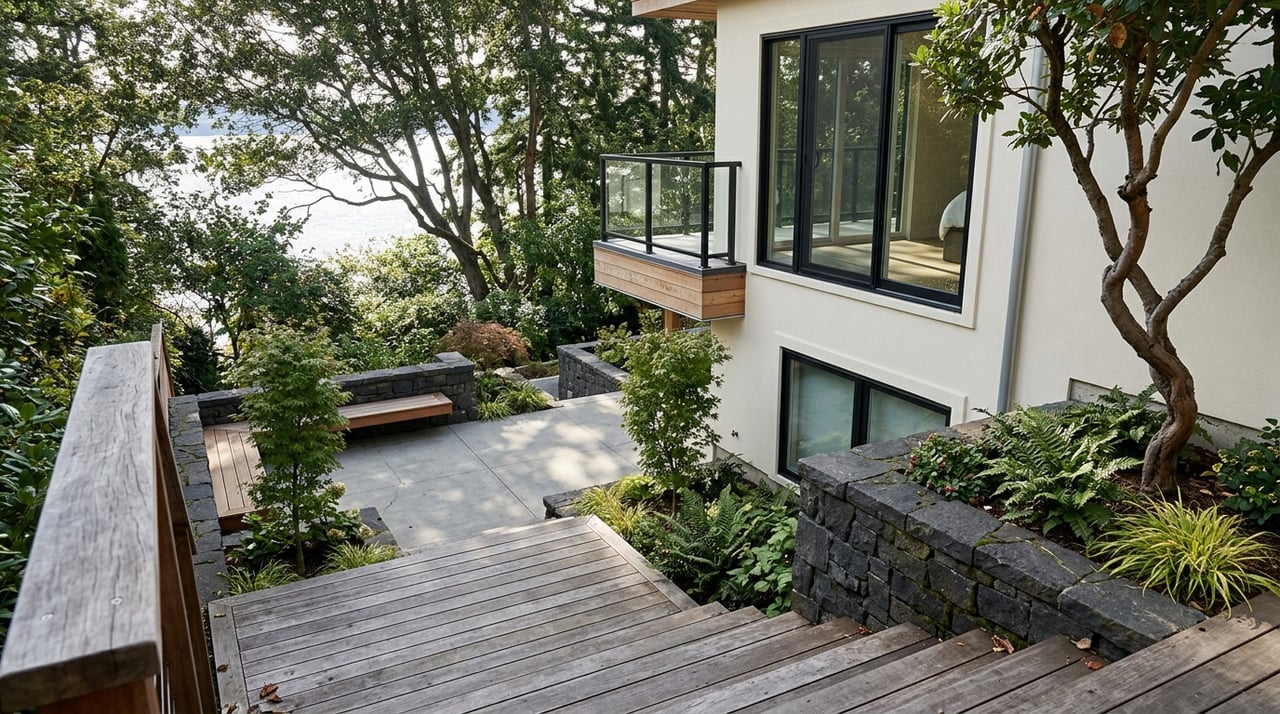
Three Tree Point sits on Puget Sound with a mix of beach, low bluffs, and elevated lots. Where the water meets your land determines which permits you need and what you can do with docks, bulkheads, and stairs. Burien’s Shoreline Master Program sets local standards, and state and federal agencies may also be involved. Knowing the basics helps you evaluate risks, plan projects, and avoid surprises at closing.
Quick glossary: essential waterfront terms
Ordinary High Water Mark (OHWM)
The OHWM is the line on the shore marked by the regular action of water, often visible as a change in vegetation or debris. It commonly separates private uplands from state-owned aquatic lands and triggers shoreline rules and setbacks. Review Washington’s shoreline guidance on how the OHWM is identified through the Washington Department of Ecology.
Tidal datums: MLLW and MHW
Mean Lower Low Water (MLLW) and Mean High Water (MHW) are standard reference levels for tides. They guide dock heights, overwater limits, and safe navigation. For site-specific tide predictions and datums, use NOAA Tides & Currents.
Shoreline Master Program and SMA
The state Shoreline Management Act requires cities to adopt Shoreline Master Programs that set local shoreline rules. In Three Tree Point, development, stabilization, vegetation, and overwater structures fall under City of Burien’s Shoreline Master Program. Always confirm whether your parcel is in shoreline jurisdiction before planning changes.
Aquatic lands and DNR leases
In Washington, areas below the OHWM are typically state-managed aquatic lands. If a dock or float extends into those areas, the owner may need a lease or authorization from the Washington Department of Natural Resources. Buyers should verify lease status with DNR Aquatic Lands.
Hydraulic Project Approval (HPA)
Most in-water or near-water work that could affect fish or habitat requires an HPA. This includes pile work, dock repairs, and bulkhead replacement. Learn what triggers an HPA and how to apply through the Washington Department of Fish and Wildlife.
U.S. Army Corps of Engineers permits
Work below the OHWM, and any fill or structures in navigable waters, often requires federal authorization under the Clean Water Act or Rivers and Harbors Act. For regional permits and contacts, visit the USACE Seattle District.
Bulkhead, seawall, and riprap
Bulkheads and seawalls are vertical structures that protect against erosion, while riprap is rock armor placed on slopes. These can affect habitat and are limited by local shoreline rules. Replacement or repair usually requires multiple permits and may need mitigation.
Pier, dock, float, and moorage
A pier is supported by piles, while a float rests on the water’s surface. Moorage refers to the space for a boat. Ownership, maintenance, and permitting vary by structure type, and some overwater coverage is capped under local shoreline rules.
Littoral and riparian rights
These are common-law rights related to shoreline access and use. In Washington, they are limited by public ownership of tidelands, the OHWM, and local shoreline rules. Always verify how these rights apply on a specific parcel.
Overwater and view-impact rules
Local SMPs limit the size and design of overwater structures to protect habitat and public views. Height, shading, and total coverage are often regulated. If a structure predates current rules, replacement may trigger today’s standards.
Setbacks and shoreline buffers
Shoreline setbacks differ from standard zoning setbacks. Buffers protect habitat and slope stability and are enforced through the SMP and critical area rules. Confirm the applicable setback on a current site plan before making changes.
Permitting in Burien: who does what
- City of Burien: Administers the local Shoreline Master Program, issues land use and building permits, and coordinates with other agencies. Start with Burien’s planning and permitting resources.
- Washington State agencies: Ecology oversees shoreline policy and OHWM guidance. DNR authorizes use of state aquatic lands. WDFW issues HPAs for habitat-related work.
- Federal: The USACE Seattle District reviews work below the OHWM and activities affecting navigable waters.
- King County: Critical areas mapping and sea level rise resources can inform your due diligence, even when the city is the primary regulator.
Expect overlap. A single dock repair can require city approval, an HPA, USACE authorization, and a DNR lease check.
Risks to evaluate at Three Tree Point
- Erosion and bluff stability: The area includes bluffs and pocket beaches. Ask for any geotechnical reports and consider a fresh bluff stability assessment.
- Flooding and tidal inundation: Low-lying properties may face storm surge and high tide events. Check your flood zone at the FEMA Flood Map Service Center.
- Sea level rise: Long-term water level changes can affect access, insurance, and armoring plans. Review guidance and projections from King County’s environmental and climate resources.
- Earthquake and tsunami planning: Puget Sound faces regional seismic hazards and potential local tsunami effects. Learn more from the USGS hazard resources.
- Biological constraints: Eelgrass and forage fish habitat can limit overwater coverage. A biological survey may be recommended if you plan alterations.
Ownership, access, and title surprises
- Beach ownership limits: Below the OHWM is often state aquatic land. A listing that says “beach access” may not include ownership of the intertidal zone.
- DNR lease status: Docks extending over state bedlands usually need a DNR authorization. Confirm lease records and expiration dates during title review.
- Easements and shared structures: Stairways, seawalls, or moorage may be shared. Obtain any maintenance agreements, covenants, and HOA documents.
- Rights language: Deed references to riparian or littoral rights are limited by shoreline regulations. Clarify the practical meaning for your parcel before closing.
Financing, insurance, and maintenance
- Insurance: Lenders may require flood insurance if you are in a mapped high-risk zone. Ask your insurer about wind, salt, and overwater structure coverage.
- Financing: Some lenders require elevation certificates, engineer letters, or proof of permitted moorage. Engage a lender experienced with Puget Sound waterfront early.
- Maintenance planning: Docks, piles, floats, and bulkheads have shorter lifecycles than typical roofs. Ask for maintenance records and recent invoices to budget future work.
Buyer due-diligence checklist for 98166 waterfront
- Current survey showing property lines, OHWM indication, and easements.
- Title report including DNR lease checks and any public access easements.
- Copies of shoreline-related permits: City of Burien approvals, WDFW HPAs, USACE authorizations, and DNR leases.
- Marine structural inspection of docks, piles, and floats.
- Geotechnical or bluff stability report if on or near a slope.
- FEMA flood zone determination and any elevation certificate.
- Seller disclosures for flooding, erosion, slides, repairs, and insurance claims.
- HOA or joint maintenance agreements for shared structures and beach access.
- Contacts for Burien Planning & Building, DNR Aquatic Lands, WDFW, USACE, and King County surface water or floodplain staff.
Ready to compare properties or sanity-check a permit history? You do not have to decode this alone. For thoughtful guidance, contractor referrals, and a smart due-diligence plan tailored to Three Tree Point, reach out to Michelle Codd.
FAQs
What is the Ordinary High Water Mark on Puget Sound?
- It is the natural line on the shore created by the usual action of water, and it often determines where shoreline rules apply and where state aquatic lands begin.
Do I own the beach in front of a Three Tree Point home?
- In Washington, the area below the OHWM is typically state-managed aquatic land, so you may have access rights but not ownership of the intertidal zone.
Do I need flood insurance for a 98166 waterfront property?
- If your home is in a high-risk FEMA flood zone, your lender may require a policy; check your specific risk at the FEMA Flood Map Service Center.
Can I replace an old bulkhead or seawall in Burien?
- Replacement often requires City of Burien approval, a WDFW HPA, and sometimes USACE authorization, with design limits under the local Shoreline Master Program.
Which permits are required to build or repair a dock?
- Expect city shoreline approvals, an HPA for habitat impacts, possible USACE authorization, and a DNR lease if the structure extends over state aquatic lands.