Wondering if an ADU or a DADU makes more sense for your Wallingford home? You are not alone. Many Seattle owners want extra space, rental income, or multigenerational flexibility, but the path is not always clear. In this guide, you will quickly compare costs, value, and the steps to get from idea to keys in hand. Let’s dive in.
ADU vs. DADU basics in Wallingford
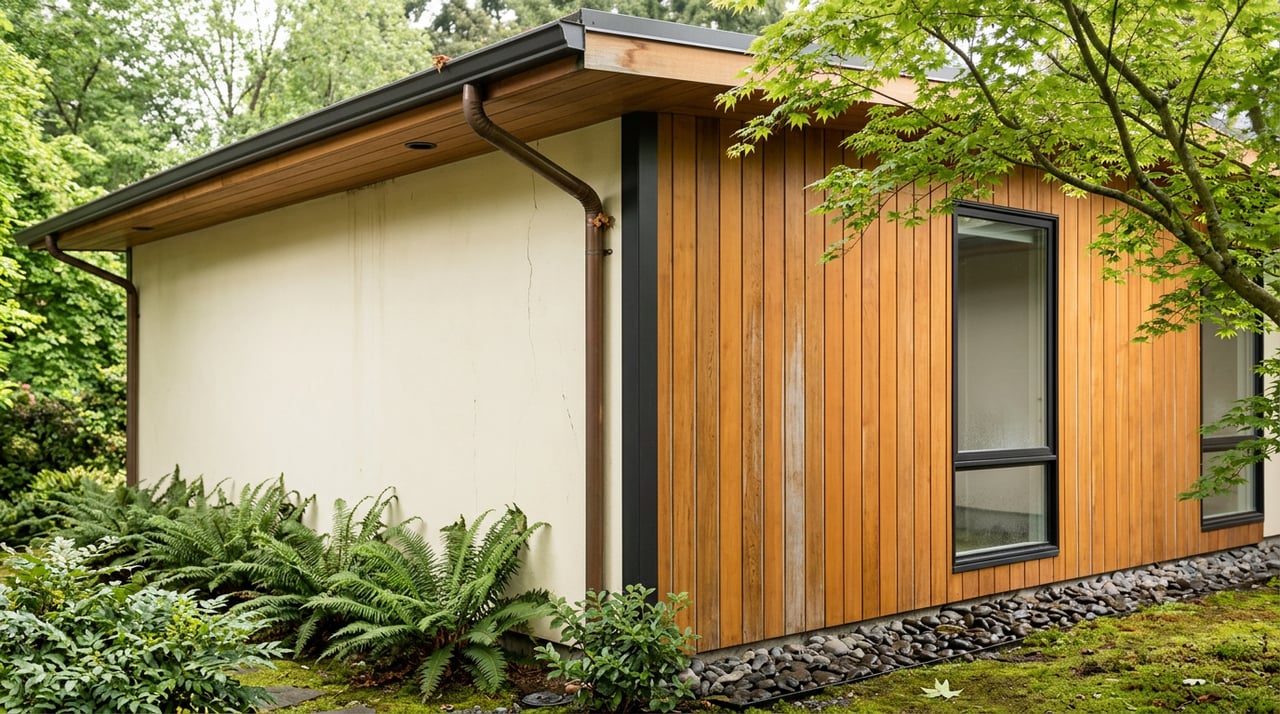
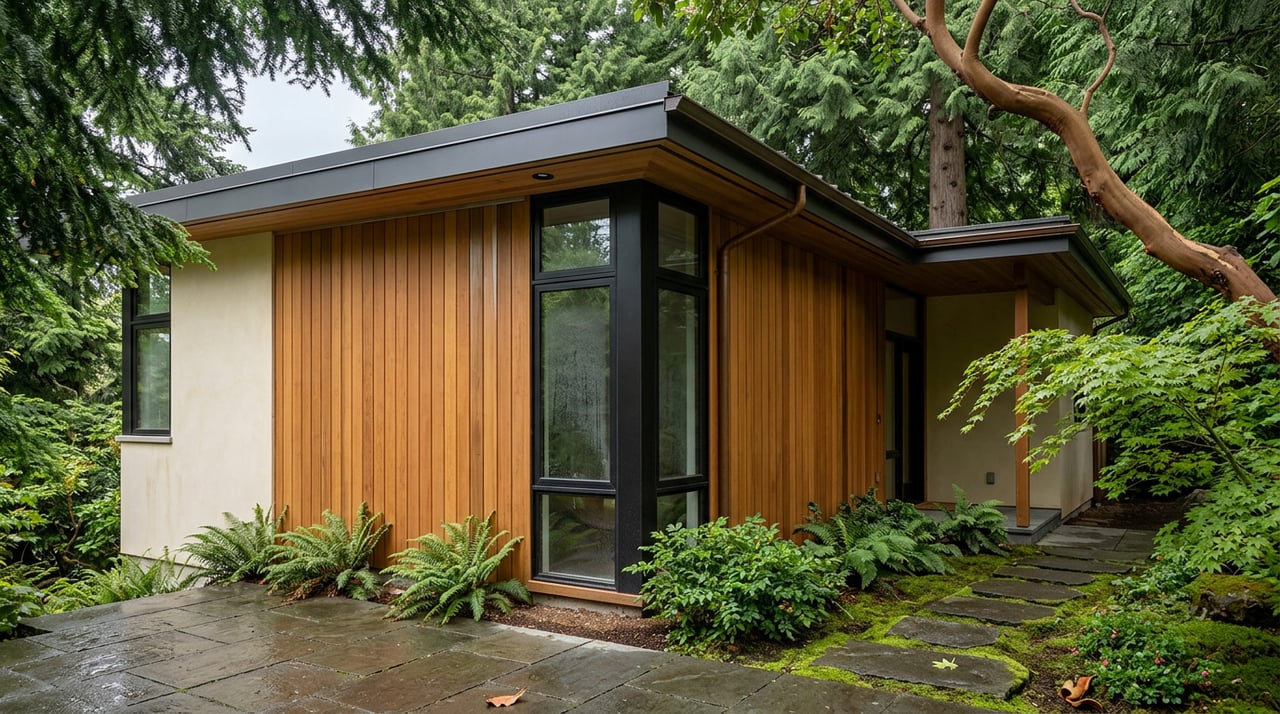
An ADU is a secondary dwelling on the same lot as your primary home. It can be internal, such as a finished basement or attic, or an attached addition. A DADU is a detached structure in your yard, sometimes called a backyard cottage.
Seattle has expanded where ADUs and DADUs are allowed in single family zones to increase housing options. Rules for size, height, setbacks, parking, and utilities come from the Seattle Municipal Code and are administered by Seattle Department of Construction and Inspections. Always verify the current standards for your exact lot before you design or budget.
What to verify first
- Zoning and whether both ADU and DADU are allowed on your block.
- Maximum size, setbacks, lot coverage, and height limits that apply to your property.
- Parking rules and short term rental restrictions.
- Utility connection requirements for sewer, water, and power.
- Permit types, inspections, and certificate of occupancy steps.
Cost comparison: ADU vs. DADU
Costs vary by design, site complexity, and finish level. Use these patterns as a starting point and get local bids before you make decisions.
Typical patterns in Seattle
- Internal or attached ADU conversion. Often the lowest cost since you reuse structure and utilities. A simple basement or internal ADU can land in the lower tens of thousands to mid five figures or into the low six figures depending on scope and finishes.
- Attached new addition ADU. Mid range costs since you add foundation and roof work but tie into the main house.
- DADU new build. Typically the highest cost per square foot because you construct a separate building with its own foundation, envelope, and utility routing. Sites that need retaining walls, grading, or driveway changes add more.
Cost drivers to watch
- Site and access. Slope, protected trees, tight alley access, or buried surprises can move budgets.
- Utilities. A new sewer lateral, separate water connection or meter, or an electrical service upgrade can be significant for DADUs.
- Foundation type. Slab, crawlspace, or basement choices affect cost.
- Existing house condition. Internal ADUs may require upgrades to meet code.
- Finish level. Basic versus high end kitchens, baths, and millwork.
- Market conditions. Labor and materials in Seattle have been high and can change quickly.
Budget planning tips
- Build in a 10 to 20 percent contingency for unknowns.
- Price permits and fees early. Some are due at application and others at final.
- If you will rent the unit, include furnishings and lease-up costs in your plan.
Value and rental impact in Wallingford
An ADU or DADU can open new income and resale options. The exact value depends on design quality, legality, local demand, and how you plan to use the space.
Rental income potential
Rents depend on size, layout, finishes, and neighborhood demand. Wallingford’s central location and access to amenities often support solid demand for compact one bedroom units. When you model cash flow, include vacancy, maintenance, insurance, property taxes, and any management fees.
Here is an illustrative example to show the math. If a DADU costs $250,000 to build and rents for $2,200 per month, annual gross is $26,400. After 30 percent for taxes, insurance, maintenance, utilities you might pay, management, and vacancy, the net operating income is $18,480. That implies a simple cap rate of about 7.4 percent and a payback of roughly 13.5 years. Your actual results will vary based on real bids, financing, and local rent checks.
Resale value and marketability
Appraisers may consider comparable sales with ADUs, the cost to build, and the income the unit can produce. A well designed, legal unit often broadens your buyer pool and can improve marketability. The premium is not guaranteed and depends on quality and buyer demand at the time of sale.
Non financial benefits
- Flexibility for multigenerational living or a caregiver.
- Space for a home office or guest suite.
- A future option to downsize into one unit while renting the other.
Taxes, insurance, and STR rules
- Property taxes. Adding habitable space can increase your assessed value and taxes. Expect a reassessment after completion and plan for a time lag.
- Rental income taxes. Rental income is taxable. Talk with a tax professional about reporting, depreciation, and allowable expenses.
- Insurance. You may need an endorsement or a landlord policy. Premiums can rise.
- Short term rentals. Seattle’s short term rental rules are strict and change over time. Confirm whether STR operation is allowed for your unit and what registration or caps apply before you count on that revenue.
Which option fits your goals
- Choose an internal or attached ADU if you want the lowest cost path and a faster build, and you are comfortable with less separation from the main home.
- Choose a DADU if you want maximum privacy, the feel of a separate home, and potentially more rental appeal. Expect higher cost and more site and utility work.
If resale is a priority, consider how each option will show in photos and tours. A thoughtfully designed unit that matches the main house usually attracts more buyers and less neighbor pushback.
Wallingford tips for a smooth project
- Respect neighborhood character. Scale, materials, and rooflines that echo the main home tend to blend in better.
- Plan construction access early. Alleys, narrow lots, and mature trees can limit equipment and staging.
- Map utilities. Knowing the path of your sewer and water early can prevent costly surprises.
- Verify any historic or special district considerations on your block.
Step by step next steps
Follow this simple checklist to go from idea to occupancy.
Step 0: Quick feasibility
- Look up your zoning and confirm ADU and DADU allowances for your lot.
- Locate your sewer and water laterals and note any capacity or connection constraints.
- Check for historic or special district rules that may affect design.
Step 1: Pre design and scoping
- Consult an architect or ADU specialist with Seattle experience for a site walk and concept sketches.
- Order a site survey and identify property pins, easements, critical areas, and tree protection zones.
- Request two to three ballpark estimates for an internal ADU, an attached addition, and a detached cottage.
Step 2: Permits and approvals
- Create a permit checklist for building, mechanical, plumbing, electrical, and grading if needed.
- Ask for current permit review timelines and whether neighborhood notification applies.
- Prepare drawings and engineering per SDCI submittal requirements.
Step 3: Financing and contracting
- Compare options like a HELOC, cash out refinance, construction loan, renovation mortgage, or a specialized ADU loan.
- Hire a licensed, insured contractor with Seattle ADU examples. Check references and past projects.
- Decide between fixed price and cost plus contracts. Fixed price offers more budget certainty with finalized plans.
Step 4: Build, inspect, occupy
- Plan staging, access, and neighbor communication before construction begins.
- Schedule inspections as permits require. Obtain your certificate of occupancy.
- Update insurance and expect a county reassessment.
Step 5: Lease and operate
- Set your rent based on current local comps, then market with quality photos and clear floor plans.
- Prepare a compliant lease, screen tenants, and set up separate utilities as needed.
- Keep organized records of expenses, permits, and warranties for taxes and resale.
Common risks to plan for
- Cost overruns from hidden site or utility conditions and market price shifts.
- Permit delays due to workload or design revisions.
- Increased taxes and insurance once the unit is complete.
- Ongoing landlord responsibilities if you rent the space.
Ready to move forward
If you want help weighing ADU versus DADU for your Wallingford home, you do not need to do it alone. From feasibility and local contractor intros to pricing strategy for rent or resale, you can get a clear plan that fits your goals. Reach out to Michelle Codd for neighborhood grounded advice and a practical next step.
FAQs
How long does a Wallingford ADU or DADU take
- From feasibility to move in, expect several months to 12 plus months, with internal conversions usually faster than detached new builds.
What should I budget for contingencies
- Set aside 10 to 20 percent of total project costs to cover unknown site conditions, utility surprises, or price changes.
Will my property taxes go up after adding a unit
- Likely yes, since added habitable space can raise assessed value, and the exact increase depends on the assessor and local rates.
Can I do a short term rental in the new unit
- Seattle regulates short term rentals with registration and caps, so verify current rules before planning for STR income.
Do I have to live in the main house to add an ADU
- Owner occupancy rules have been relaxed in many places, but you should confirm the current Seattle policies that apply to your lot.
Is a DADU a better investment than an attached ADU
- It depends on costs, achievable rent, and your site; DADUs cost more but can offer more privacy and rental appeal, while attached units are usually less expensive.