Choosing a home style in Normandy Park can feel like trying to pick a view on a perfect Puget Sound evening. Do you want single-level ease, modern open spaces, or a sweeping Marine View hillside lot? You have options, and each one lives a little differently day to day. In this guide, you’ll see how the most common Normandy Park home types compare, what to watch for on lots and utilities, and a clear checklist to help you choose with confidence. Let’s dive in.
Normandy Park at a glance
Normandy Park is a compact, high-end single-family market where well-presented homes move quickly. The city sits along Puget Sound and blends level, walkable pockets with dramatic hillside view neighborhoods. Local planning is active, with the city’s 2024–2044 comprehensive plan update focusing on shoreline resilience, stormwater, and housing options. You can review the city’s priorities and ongoing code work in the Normandy Park 2044 update.
Two truths shape most buyer decisions here: views and vintage. Many homes were built in the mid-20th century, and view properties on or above Marine View Drive command a premium. That mix creates clear lifestyle tradeoffs that we’ll unpack below.
Three common home styles in Normandy Park
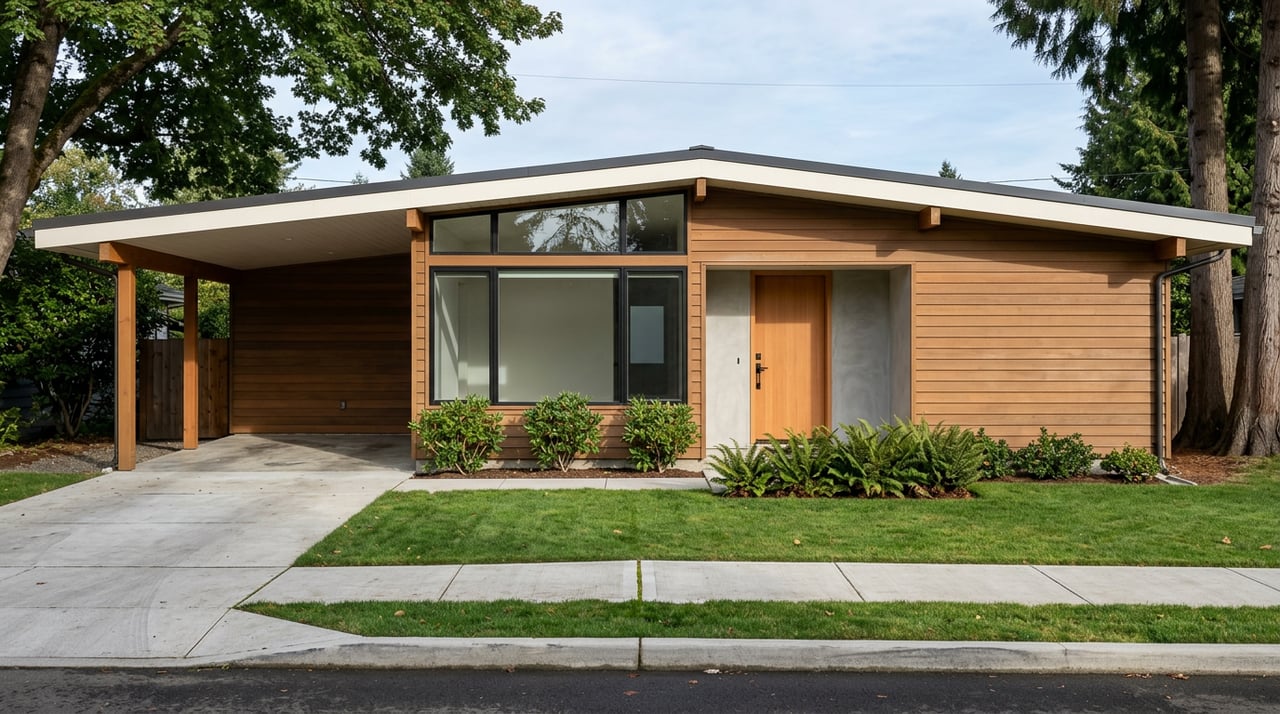
Mid-century ramblers
Many Normandy Park homes are single-story ramblers from the 1950s–1960s, including variations with daylight basements on sloped lots. Expect clean lines, broad eaves, and large windows that pull in light and frame the Sound. If you love period character, these homes often shine when refreshed with modern systems while keeping their architectural charm. For a quick primer on design cues from this era, see this overview of mid-century modern homes.
What daily life looks like
- You get main-floor living with fewer stairs, which simplifies routines and supports aging in place.
- Many ramblers sit on generous lots, with patios or decks aimed at sunsets and evergreens.
- On sloped parcels, a daylight basement can double as a flexible office, guest suite, or media room.
Maintenance and buyer notes
- Original-condition ramblers may have older roofs, single-pane windows, and dated kitchens or baths. Plan for upgrades if they were not already completed.
- Homes built before 1978 can include lead-based paint. Ask for required disclosures and review the EPA’s Renovate Right guidance on safe practices for older homes. The EPA’s lead-based paint resource is here: EPA lead program and Renovate Right.
- Asbestos may be present in some mid-century materials. Before renovation, consult a qualified professional and see the EPA’s guidance index here: EPA archive reference on asbestos in buildings.
Resale potential
- Updated ramblers that keep period character but deliver a modern kitchen and primary suite attract strong buyer interest. Single-level living appeals to a wide audience and supports long-term demand.
Updated traditional homes
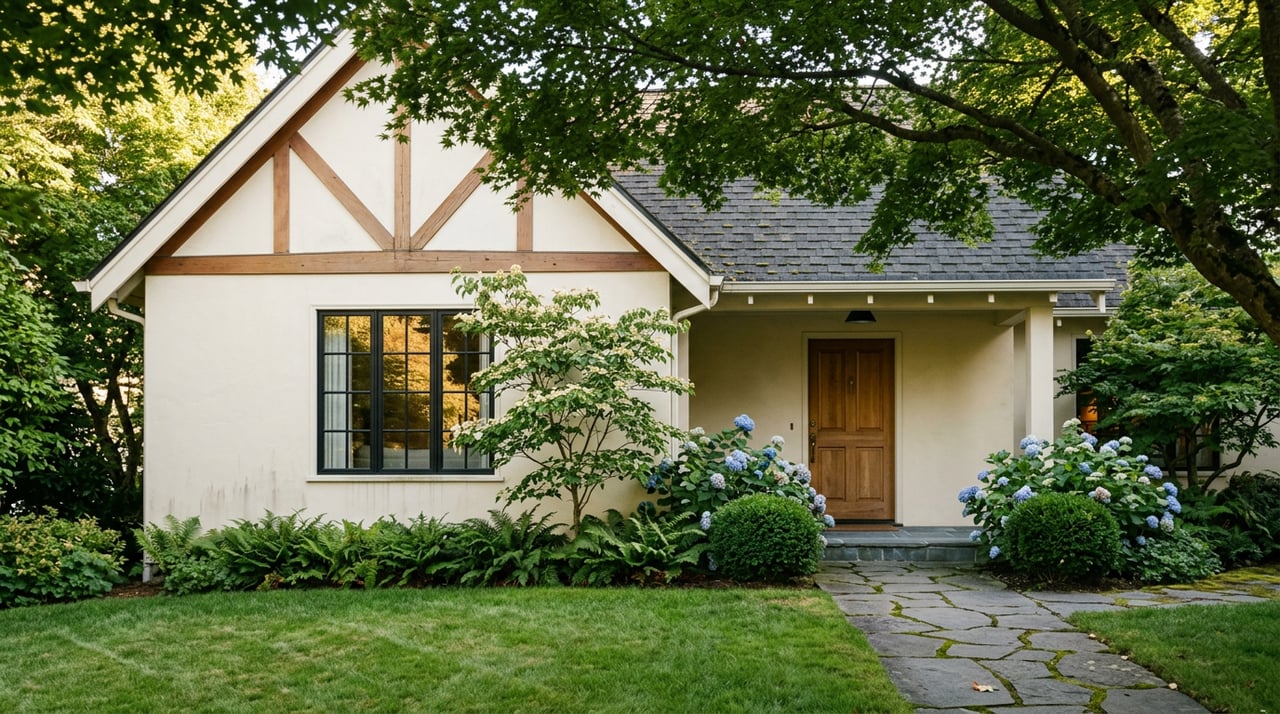
Across Normandy Park you’ll also find thoughtfully remodeled versions of original ranch or traditional homes. These often feature opened-up kitchens, added primary suites, refreshed bathrooms, and modern mechanical systems.
What daily life looks like
- You get the lot size and mature setting of older parcels with fewer to-do items on day one.
- Floorplans often balance open living areas with defined spaces for work or guests.
Maintenance and buyer notes
- Ask for permit history, final inspections, and contractor warranties. Normandy Park’s planning and permitting processes have evolved under its comprehensive plan work, so it is smart to verify records with Community Development. Start with the city’s Normandy Park 2044 page for context.
Resale potential
- Move-in-ready homes with quality finishes and documented permits typically sell faster and closer to top-of-market pricing than similar homes without updates.
Newer construction and custom rebuilds
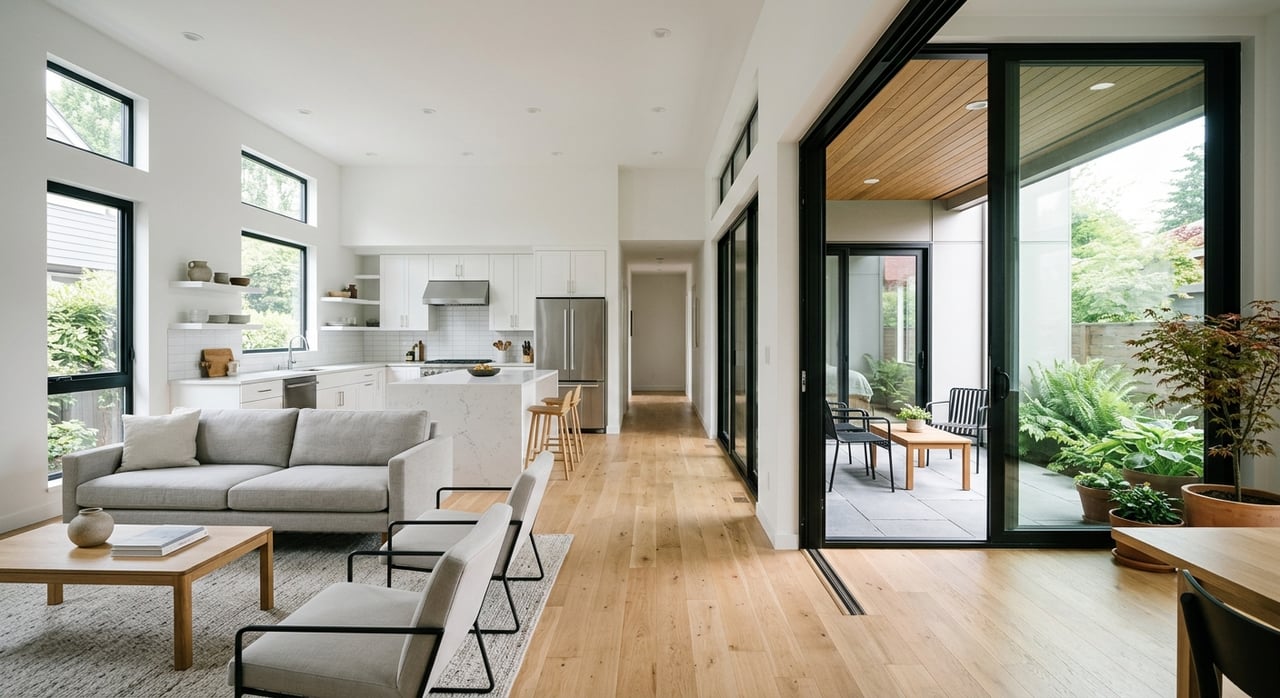
Some older homes have been replaced or expanded into contemporary residences, especially on larger view parcels. Expect open floorplans, higher-efficiency systems, multiple bedroom suites, and engineered foundations designed for hillside stability.
What daily life looks like
- Space for gathering, cooking, and working from home is built in.
- Garages and storage tend to be larger, and indoor-outdoor transitions are designed around views.
Maintenance and buyer notes
- Newer systems usually reduce near-term upkeep. You may see higher property taxes compared with older homes. On steeper sites, still plan for drainage management, deck inspections, and care for retaining walls.
- Review permits and, on hillside lots, any soils or geotechnical reports. The city’s planning resources are a good starting point: Normandy Park 2044.
Resale potential
- Modern layouts and energy performance hold broad appeal. On view lots, premium pricing is common when the design and siting maximize the Sound.
Lot and lifestyle factors that matter
Views and slope
Normandy Park has both level, walkable pockets near the Towne Center and dramatic hillside neighborhoods above Puget Sound. View parcels often feel private and expansive, with decks and multi-level floorplans that take in sunsets. They also bring more exterior upkeep. On steep sites, ask for any recent retaining-wall, drainage, or deck maintenance records and consider a geotechnical review.
Lot size and private amenities
Lots range from about 7,000 to 12,000 square feet in many interior neighborhoods to near-acre properties along parts of the view corridor. Some homes advertise community beach or cove access. If you see “Lot A” or similar language in listing materials, request the membership details and covenants so you understand benefits and rules before you buy.
Utilities: sewer vs. septic
Most properties connect to public water and sewer. A handful of shoreline or view parcels may use septic. Always verify the utility setup at the parcel level. Septic systems require specialized inspections, periodic pumping, and different permitting if you plan additions or an accessory dwelling unit.
Shoreline, stormwater, and flood exposure
Shoreline policy and stormwater management are active priorities for the city. The comprehensive plan update addresses sea-level rise and related resilience planning. You can explore the city’s focus areas in the Normandy Park 2044 materials. For a specific property, request any shoreline, seawall, or drainage reports from the seller and consult your inspector about insurance or elevation-certificate needs.
How to choose your fit
Use these scenarios to match your priorities with the right Normandy Park home type.
If you want single-level living and fewer stairs
- Prioritize ramblers or ramblers with main-floor primary suites. Confirm bathroom updates and check doorway widths and entry access if accessibility is a goal.
If you want move-in-ready with minimal projects
- Look for remodeled traditionals or newer builds with documented permits and modern systems. Ask for roof, window, and HVAC ages, plus any transferable warranties.
If you want views and outdoor lifestyle
- Expect higher prices on view parcels and more exterior upkeep. Verify any beach or cove rights and review covenants. On steeper sites, plan for regular deck and drainage maintenance.
If you are value-oriented and open to renovating
- Mid-century ramblers often offer the best blend of price and potential. Budget for kitchen and bath renovations, window replacements, and system upgrades. For lead-safe practices in older homes, see the EPA lead program guidance and engage certified professionals.
If you want an accessory dwelling unit (ADU) or flexibility
- Normandy Park has updated development regulations as part of its 2044 planning effort, including ADU and small-scale housing changes. Before you buy, confirm current ADU rules, parking, and utility requirements with Community Development. You can track policy context in the Normandy Park 2044 update and recent meeting materials, such as this city document on development regulation amendments.
Due diligence checklist for Normandy Park buyers
Work with your agent to request, verify, and schedule the following before you waive contingencies.
Full home inspection
- Ask your inspector to check structure, roof, drainage, decks, and exterior siding for moisture or rot. On hillside properties, consider a geotechnical or retaining-wall evaluation.
Sewer or septic verification
- Confirm sewer connection through city or county records. If the home is on septic, order a septic inspection, ask for recent pump records, and verify reserve capacity.
Lead-based paint and asbestos
- For pre-1978 homes, require the lead disclosure and review the EPA’s Renovate Right materials: EPA lead program and Renovate Right. For renovations that may disturb older materials, consult qualified professionals and reference the EPA’s asbestos in buildings archive.
Flood, shoreline, and stormwater review
- Ask for any seawall, bulkhead, or shoreline maintenance records, and discuss insurance with your provider. The city’s planning resources outline shoreline priorities: Normandy Park 2044.
Permit and code history
- Request permit numbers and final inspections for major renovations, structural work, additions, or ADUs. Confirm timelines and current rules with Community Development using the Normandy Park 2044 hub and recent city documents.
Property taxes and future plans
- Ask your agent to help you review assessed value trends. Newer construction and significant remodels often increase assessed values and tax obligations.
Resale insights for Normandy Park
- Homes with Sound or mountain views, high-quality kitchen and bath updates, and convenient access to parks or community amenities tend to lead the market.
- Single-level living appeals to a wide set of buyers. A well-updated rambler on a level lot often sees strong traffic.
- Documented permits, clear utility status, and recent systems upgrades reduce buyer friction and support higher offers.
- ADU potential can be a long-term value boost. If your lot and the current code allow it, a permitted ADU may improve both lifestyle flexibility and resale.
Ready to compare options, tour smart, and buy with clarity in Normandy Park? Reach out to Michelle Codd for local guidance, on-the-ground due diligence, and a strategy that fits how you want to live.
FAQs
What is a mid-century rambler in Normandy Park?
- It is typically a 1950s–1960s single-story ranch with broad eaves and large windows, often on larger lots, sometimes with a daylight basement for added flexible space.
How do Normandy Park view lots affect maintenance?
- View parcels often sit on steeper slopes with decks, retaining walls, and complex drainage, which require periodic inspections and proactive exterior upkeep.
Are ADUs allowed in Normandy Park right now?
- The city has updated development regulations as part of its 2044 planning; confirm current ADU rules, parking, and utilities with Community Development and review the Normandy Park 2044 update.
What inspections should I prioritize before buying in Normandy Park?
- Schedule a full home inspection, verify sewer vs. septic and inspect septic if applicable, assess drainage and decks, and consider geotechnical review on hillside lots.
How do I handle lead paint or asbestos in older Normandy Park homes?
- For pre-1978 homes, request lead disclosures and follow the EPA’s Renovate Right guidance; consult certified pros for asbestos testing before invasive work, referencing EPA resources.