Trying to decide between Magnolia and Queen Anne? You are not alone. Both offer standout Seattle lifestyles, but the day-to-day experience can feel very different. In this guide, you will compare housing types, lifestyle and walkability, commute patterns, parks and views, and who each neighborhood tends to fit best. By the end, you will have a clear way to narrow your search and pick the right block for your goals. Let’s dive in.
Quick neighborhood snapshot
Magnolia at a glance
Magnolia sits on a peninsula just northwest of downtown, bordered by Elliott Bay and the Ship Canal. It is largely residential with tree-lined streets, bigger lots, and a calmer pace. You will find small commercial clusters with local shops and restaurants, plus easy access to the water and bluff viewpoints. Nightlife is limited, which helps preserve a quieter, neighborhood feel.
Queen Anne at a glance
Queen Anne rises just north of downtown and splits into Upper Queen Anne and Lower Queen Anne. Upper Queen Anne is residential with historic homes and sweeping views from hilltop streets. Lower Queen Anne is denser with apartments and condos, strong walkability, and quick access to Seattle Center’s museums, venues, and events. The topography is steep in places, which brings incredible views along with a few uphill walks.
Housing and property types
Magnolia homes and lots
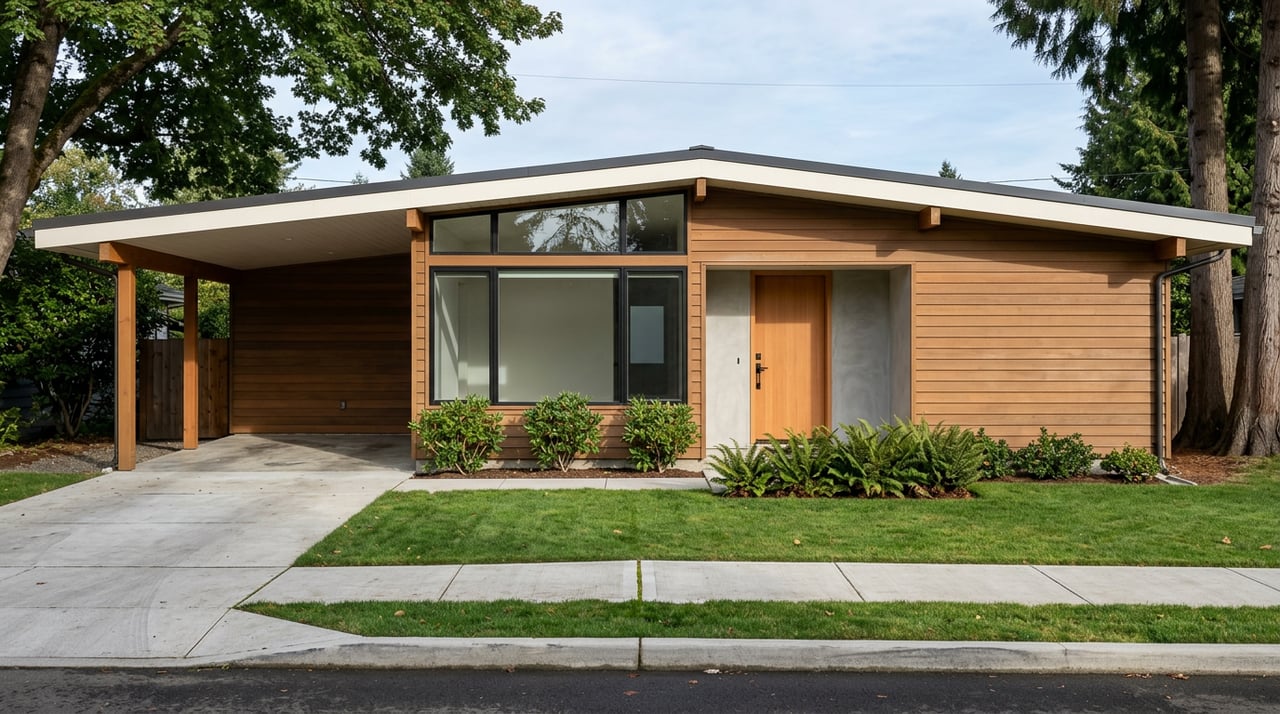
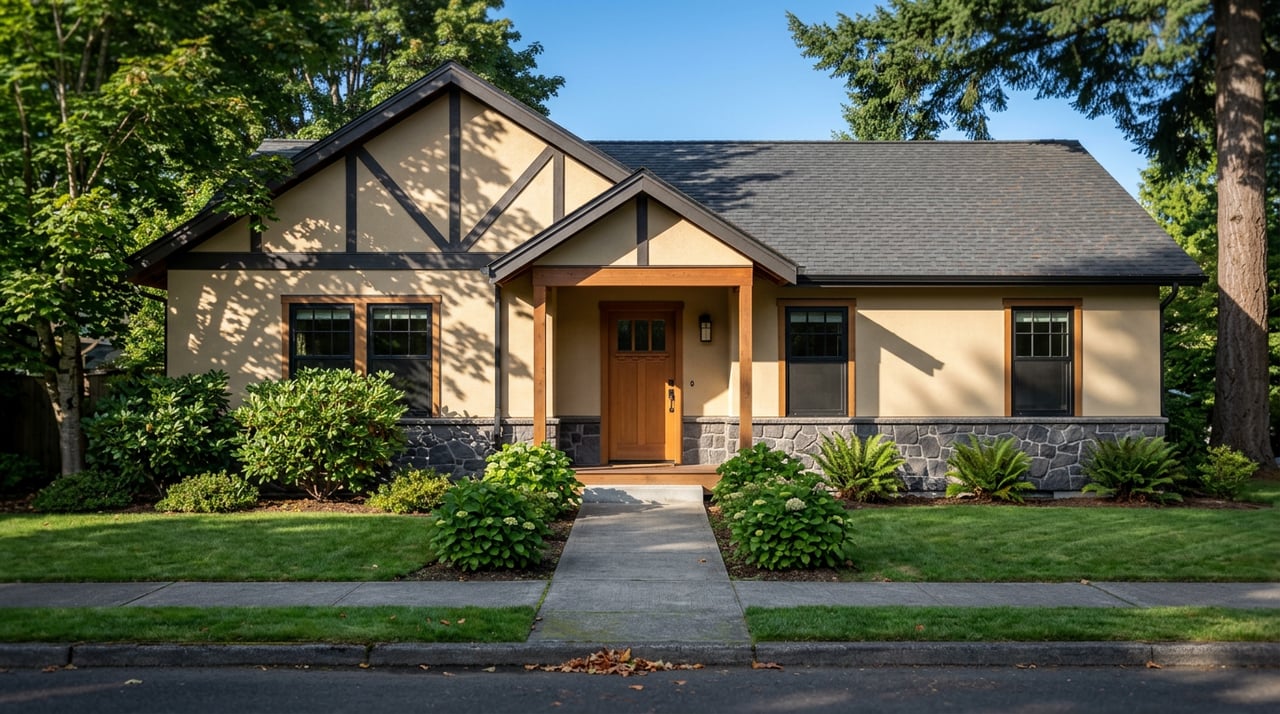
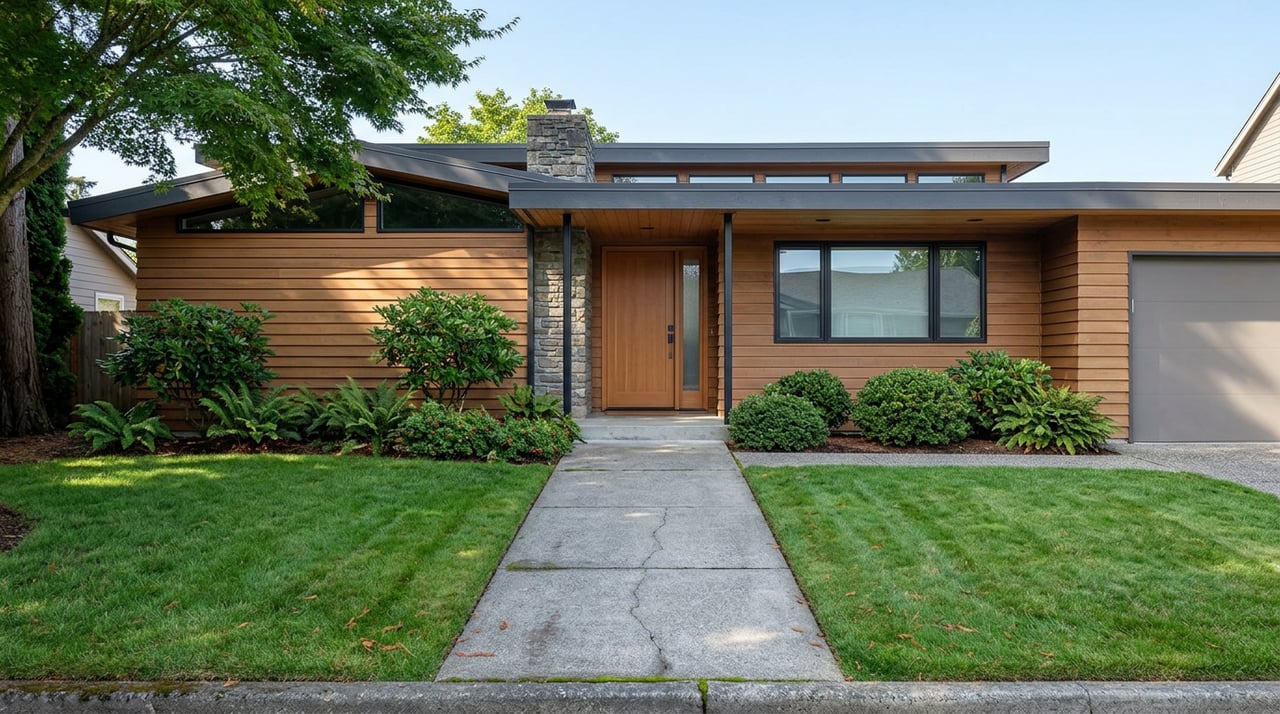
Magnolia has a higher share of detached single-family homes on larger lots. You will see Craftsman and Tudor styles from the early 20th century, mid-century homes, and some newer infill. Condos do exist, but there are fewer larger multifamily buildings than in neighborhoods closer to downtown. Buyers who want private yards and quieter streets often start here.
Queen Anne variety and density
Queen Anne offers more housing variety. Historic single-family homes line the upper hill, while Lower Queen Anne features many apartments and condominiums, including mid-rise and some higher-density buildings. If you want options that range from condos and studios to grand historic homes, Queen Anne casts a wider net. This mix also supports a strong rental and investor market in the denser areas.
Market context to keep in mind
- Magnolia single-family homes can be competitive due to lot size and scarcity. Individual properties may spend longer on market depending on price and condition.
- Queen Anne condos and smaller homes often see steady demand from urban professionals who value walkability and entertainment access.
- Older homes in both neighborhoods may need updates. Plan for items like seismic retrofits, roof and systems work when you budget.
Lifestyle and walkability
Everyday errands and dining
Lower Queen Anne shines for walkability, with restaurants, grocery options, cafes, and cultural venues in easy reach. Upper Queen Anne is also walkable around its main corridors. Magnolia’s commercial nodes are smaller and more spread out, so you will likely drive or plan your errands around specific hubs. If you value door-to-door foot access to amenities, Queen Anne usually has the edge.
Evenings and entertainment
Queen Anne’s connection to Seattle Center means a steady slate of performances, festivals, and exhibits. There is also more nightlife, especially in Lower Queen Anne. Magnolia keeps a quieter profile with neighborhood eateries and a local vibe. If a relaxed evening on a quiet street is your goal, Magnolia fits well. If you want shows and late bites at your doorstep, Queen Anne is a natural fit.
Views and topography
Queen Anne skyline and city lights
Queen Anne’s elevation delivers postcard views of downtown, the Space Needle, Elliott Bay, and beyond. Homes near iconic spots like Kerry Park are known for dramatic skyline panoramas. These vistas often add a premium to properties, especially on the upper hill.
Magnolia water and mountain scenes
Magnolia offers expansive water and Olympic Mountain views, especially along the bluffs and near the waterfront. Many homes enjoy westward exposure with sunset light. When you evaluate a lot, review view protection, tree cover, and potential for future development changes that could impact sightlines.
Commute and transit
Downtown and South Lake Union access
Queen Anne generally offers faster surface connections to downtown, with many trips by car in the 5 to 15 minute range depending on time of day. Magnolia’s limited arterial connections can add a few minutes, with many trips closer to 10 to 25 minutes by car or bus. Both neighborhoods rely primarily on King County Metro bus service.
Eastside and northbound commutes
For Bellevue and the Eastside, you will cross I-90 or SR-520. Queen Anne often routes you through downtown to reach those bridges, while Magnolia’s extra distance from major arterials may add time. If you commute to Everett, Queen Anne is marginally closer to I-5 access points. Neither neighborhood has a Link light rail station inside its borders, though surface transit connects you to the broader system.
Parks and outdoor recreation
Discovery Park and Magnolia green space
Discovery Park sits at the heart of Magnolia and is Seattle’s largest park. You will find miles of trails, beaches, bluff viewpoints, and wildlife. Magnolia also offers smaller parks and more continuous waterfront access. If you want a natural retreat minutes from home, this is a standout advantage.
Queen Anne viewpoints and Seattle Center
Queen Anne’s parks lean toward scenic overlooks and neighborhood greens, with famous views from places like Kerry Park. You also have quick access to Seattle Center’s grounds and community facilities. For families and culture lovers, regular events and programs nearby are a real plus.
Schools and family considerations
Both neighborhoods are served by Seattle Public Schools. Specific school assignments depend on your address and district boundaries, which can change over time. Families often weigh Magnolia’s quieter streets and yard space against Queen Anne’s proximity to cultural programs and activities near Seattle Center. For a move-in decision, verify boundaries and program options for each specific property.
Quality of life and safety
Both Magnolia and Queen Anne are widely regarded as desirable places to live. Like any urban area, they experience property crime and occasional violent incidents, and conditions can vary block to block. Review recent police reports and community updates as you compare streets and micro-areas. Visiting at different times of day can help you gauge fit and comfort.
Development and neighborhood change
Lower Queen Anne tends to see more infill and mid-rise development due to its proximity to downtown and entertainment venues. Magnolia’s growth has been more modest, with a focus on preserving single-family character, plus some townhome and condo infill near commercial areas. City policies and project pipelines evolve, so check current planning updates if development impact is a key factor for you.
Which neighborhood fits you best
- Families seeking yards and calm streets:
- Magnolia often wins for larger lots, quieter blocks, and Discovery Park access.
- Young professionals or buyers prioritizing walkability and nightlife:
- Queen Anne, especially Lower Queen Anne, offers dining, entertainment, and shorter downtown commutes.
- View-focused buyers:
- Queen Anne for classic skyline and Space Needle scenes. Magnolia for sweeping water and Olympic Mountain views.
- Investors and rental demand:
- Queen Anne generally offers stronger demand for condos and apartments near transit and entertainment. Magnolia leans more owner-occupied with longer hold strategies.
- Parking and car use:
- Magnolia often provides more on-street parking and private driveways. Lower Queen Anne is denser with more reliance on garages and street parking.
- Waterfront access:
- Magnolia has more continuous waterfront and beach access. Queen Anne offers dramatic viewpoints rather than long stretches of shoreline.
Property comparison checklist
Use this list to compare specific homes side by side:
- School boundaries and option programs tied to the exact address.
- Recent comparable sales in the same micro-area within the last 3 to 6 months.
- Zoning, permitted uses, and any planned development nearby.
- View easements, tree protection, and risk of future view loss.
- Commute times during your real-world travel hours by car and bus.
- Shoreline rules, floodplain considerations, and slope stability for water or bluff lots.
- HOA dues, reserve health, and rules for condos or townhomes.
- Street parking permits and on-site garage or driveway capacity.
- Historic district or landmark constraints that affect renovations.
- Property tax history and assessment trends.
How we help you decide with confidence
Choosing between Magnolia and Queen Anne is easier with a local advocate who knows the micro-markets street by street. As a boutique practice with deep Queen Anne roots and active work across Magnolia, we combine on-the-ground neighborhood insight with modern, digital-first marketing. For sellers, we coordinate staging, repairs, professional photography, and 3D tours to maximize your result. For buyers, we provide curated listings, context on resale and rental potential, and pragmatic guidance on renovations and view protection so you can buy with clarity.
Ready to compare specific homes, block by block, and get a plan that fits your goals? Connect with Michelle Codd for neighborhood-smart advice and a smooth, well-managed process.
FAQs
Which is more affordable, Magnolia or Queen Anne?
- It depends on property type. Queen Anne offers a wider range that includes many condos, while Magnolia tends to be pricier for detached single-family homes due to larger lots and scarcity.
How do commute times compare to downtown Seattle?
- Queen Anne usually has shorter surface trips to downtown, often about 5 to 15 minutes by car. Magnolia trips commonly range from about 10 to 25 minutes depending on traffic and access points.
What should I expect for parking in each neighborhood?
- Magnolia often has more on-street parking and private driveways. Lower Queen Anne is denser, with more reliance on street parking and garages, especially near entertainment venues.
Where will I find the best views in each area?
- Queen Anne is known for classic skyline and Space Needle views from the hill. Magnolia offers broad water and Olympic Mountain vistas, especially along the bluffs and near the waterfront.
How do parks and outdoor options differ between the two?
- Magnolia centers on Discovery Park, Seattle’s largest park with trails, beaches, and bluff views. Queen Anne features iconic viewpoints like Kerry Park and quick access to Seattle Center’s community spaces and events.
What should families know about schools in these neighborhoods?
- Both are served by Seattle Public Schools, but assignments depend on exact address and can change. Verify boundaries, option programs, and transportation when evaluating a specific property.