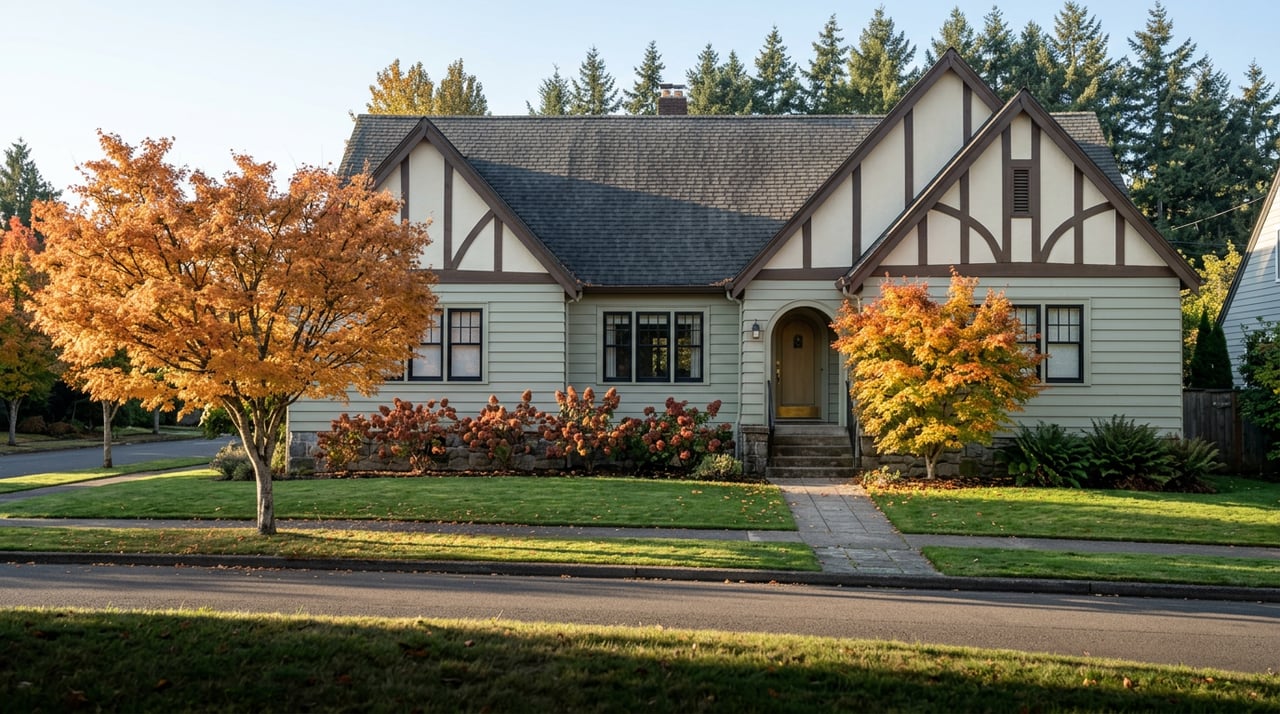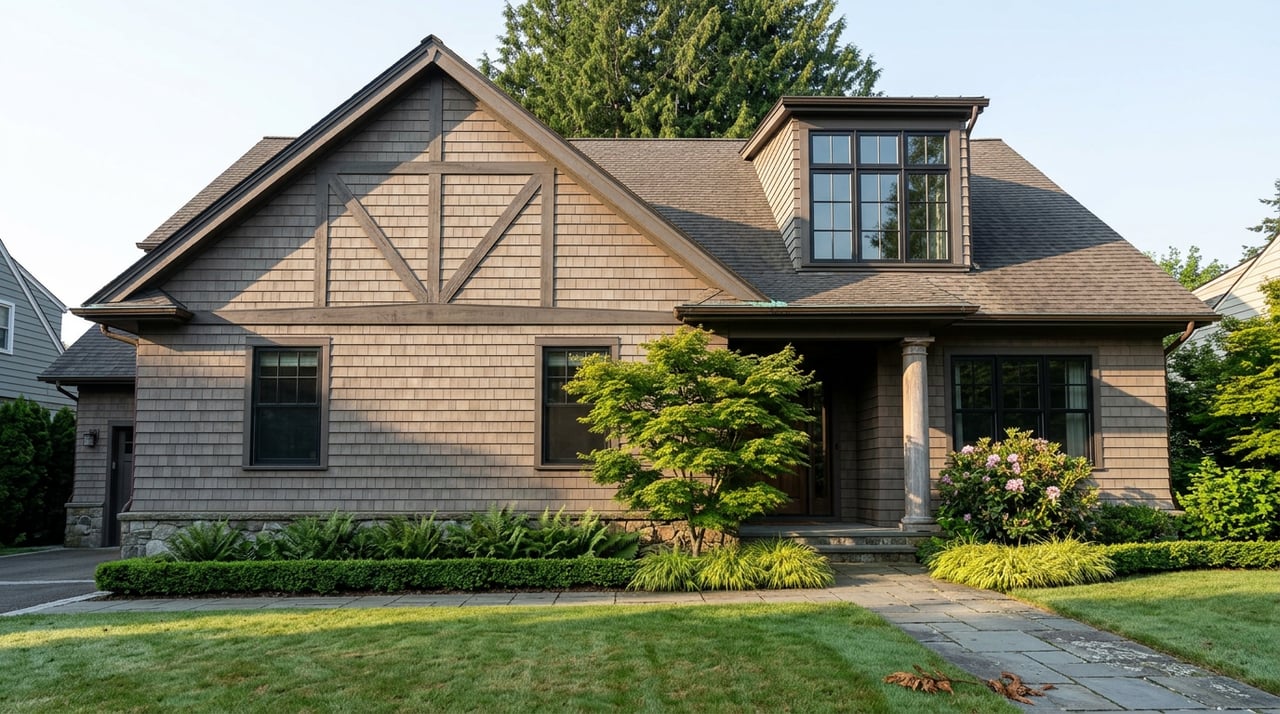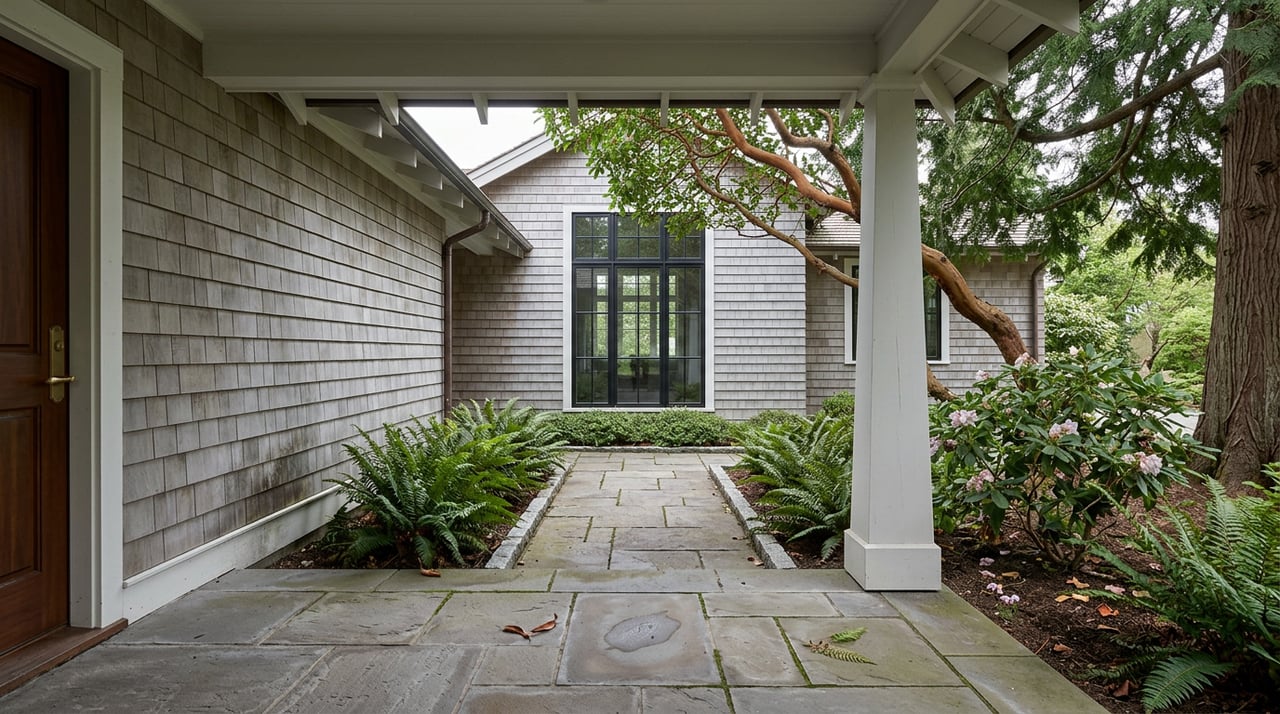
Thinking about buying a home in Normandy Park and using it as a short-term rental? It can be an appealing idea, especially if you want a property that works for both personal use and income potential. But before you count on rental revenue, you need a clear view of local rules, state requirements, parking limits, and the kind of guest demand this market may realistically support. Let’s dive in.
Why Normandy Park draws guest interest
Normandy Park positions itself as a waterfront community with convenient access to both downtown Seattle and Seattle-Tacoma International Airport. According to the City of Normandy Park, the city has about 7,000 residents, covers roughly 2.5 square miles, and emphasizes a quiet, pedestrian-friendly setting.
That smaller-scale, residential feel can matter if you are buying with short-term rental use in mind. The city also notes it has more than 100 acres of public parkland and six major parks, which adds to its appeal for guests who want nearby outdoor access without staying in a busier urban core.
Normandy Park’s parks and trail system includes three interconnected walking loops and multiple neighborhood parks. While that does not guarantee demand, it does support the idea that some travelers may value the area as a comfortable home base for a few days.
Likely guest types in Normandy Park
Based on the city’s location and amenities, a Normandy Park short-term rental may be better suited to practical travel needs than a pure vacation model. A likely guest mix could include airport-related stays, visiting family, short business trips, and leisure travelers who want a quieter South King County base near Seattle.
That matters when you evaluate a property. If you are expecting high-volume vacation traffic, this market may not behave like a resort town. If you are planning for steadier, convenience-driven bookings, your assumptions may be more in line with the area’s character.
Know the local short-term rental definition
Before you underwrite any income, start with the official definition. Normandy Park’s Public Assistance Memo #006 says a short-term rental is a stay of less than 30 consecutive nights.
That aligns with guidance from the Washington State Department of Revenue, which treats short-term lodging as lodging for periods under 30 days. If your plan involves rentals of 30 days or more, you may be dealing with a different use category and a different financial model.
Where short-term rentals are allowed
Normandy Park’s memo says short-term rentals are allowed in single-family residences, accessory dwelling unit structures, and guesthouses. That gives buyers some flexibility, especially if you are considering a property with a separate dwelling structure or guest space.
The city’s municipal code adds some important limits. Only one short-term rental agreement may be in effect for a single-family residence at a time, and short-term rentals are prohibited in recreational vehicles and house trailers.
Those details can shape your search. A home with a great layout for guests may still need to fit the city’s operating framework, so it is smart to review use rules before making an offer.
Parking can make or break a property
In Normandy Park, parking is not a minor detail. The city requires adequate off-street parking before a short-term rental business license is issued, and the same requirement appears in both the public memo and municipal code.
For buyers, this means you should look closely at driveway layout, how many cars the property can reasonably accommodate, and whether guest parking would be simple or awkward in practice. A home that looks promising online can become much less workable if parking is tight.
Parking also affects neighbor experience. Since the city ties short-term rental approval and enforcement to operational compliance, parking pressure is one of the first issues to evaluate during due diligence.
Business license requirements to plan for
Normandy Park requires a city business license for businesses located within city limits or conducting business within city limits. You can verify this through the Washington State Department of Revenue city endorsement page for Normandy Park.
The city also makes the operator responsible for following state safety rules, zoning rules, and parking provisions. That means buying the property is only one step. Running it legally is an ongoing compliance task.
State rules every buyer should know
Washington’s short-term rental law adds several operational requirements that matter before and after closing. Under RCW 64.37, operators must provide guest contact information, maintain carbon monoxide alarm compliance, and post key information inside the unit.
That posted information includes:
- The property address
- Emergency contact information
- A floor plan
- Maximum occupancy limits
- Operator contact information
State law also requires at least $1 million in primary liability coverage, unless the booking platform provides equal or greater coverage. If you are comparing properties, it is wise to include these setup and risk-management requirements in your budget from day one.
Enforcement risks are real
Normandy Park’s rules make it clear that operations need to be well managed. The city warns that issues such as noise, littering, parking violations, and trespassing can trigger corrective action, civil penalties, or even revocation of the short-term rental business license.
This is one reason a compliance-first approach matters so much here. A property may look like a strong rental on paper, but if the setup encourages frequent guest issues, the long-term viability of the business can suffer.
Taxes affect your true net income
A common mistake buyers make is focusing on gross nightly revenue without fully accounting for taxes. The Washington State Department of Revenue lodging guidance explains that short-term rental income is taxable, and operators may need to register, collect retail sales tax, and remit applicable lodging taxes.
DOR also states that King County transient lodging must collect the convention and trade center tax. On top of that, lodging tax reporting guidance says transient rental income is reported using the same location code as local sales tax reporting, so buyers should verify the current code and quarter-specific rate before finalizing any net income assumptions.
In simple terms, your pro forma should be built on current tax guidance, not rough estimates. Even small tax errors can distort your expected returns.
Expect seasonality in demand
Normandy Park may not have the same seasonal pattern as a destination vacation market, but weather still matters. NOAA climate normals for the Seattle-Tacoma area show a much drier summer pattern and a wetter winter pattern, with a normal daily precipitation value of 0.01 inches on a July day versus 0.18 inches on a January day according to NOAA climate normals.
A practical takeaway is that leisure-oriented stays may be stronger during summer and shoulder seasons. Winter demand may depend more on airport access, family visits, and business travel than on classic vacation demand.
That kind of seasonality can shape everything from furnishing decisions to pricing strategy. If you buy in Normandy Park, plan for a market that may perform more like a convenient suburban base than a destination resort.
Underwrite for a low-volume model
Based on the city’s residential character, parking requirements, and enforcement posture, Normandy Park appears better suited to a compliance-forward, low-volume short-term rental strategy than a high-turnover vacation rental model.
That does not mean the opportunity is weak. It means the opportunity is more likely to favor buyers who value careful operations, realistic occupancy assumptions, and a property that naturally supports easy guest management.
What buyers should evaluate before making an offer
If you are considering a Normandy Park home for short-term rental use, focus your due diligence on the basics that most affect compliance and day-to-day operations:
- Whether the property type fits the city’s allowed use categories
- Off-street parking capacity and layout
- Whether the floor plan supports posted safety information and clear occupancy limits
- Insurance needs, including liability coverage
- Business license and tax registration requirements
- Realistic guest demand based on location, access, and seasonality
It is also wise to stress-test your numbers. Assume taxes, insurance, compliance costs, and slower winter periods before deciding whether the property still meets your goals.
A smart buyer approach in Normandy Park
The best short-term rental buyers in Normandy Park usually treat income as something to verify, not assume. They look beyond listing photos and ask whether the home can operate smoothly within city and state rules.
That is where local guidance can save time and money. If you want help identifying properties with stronger short-term rental potential, evaluating parking and layout, and pressure-testing the numbers before you buy, connect with Michelle Codd for clear, strategic support tailored to your goals.
FAQs
What counts as a short-term rental in Normandy Park?
- In Normandy Park, a short-term rental is a stay of less than 30 consecutive nights according to the city’s Public Assistance Memo #006.
Are short-term rentals allowed in Normandy Park homes?
- Yes. The city says short-term rentals are allowed in single-family residences, accessory dwelling unit structures, and guesthouses, subject to local requirements.
Does a Normandy Park short-term rental need parking?
- Yes. The city requires adequate off-street parking before a short-term rental business license is issued.
Does a Normandy Park short-term rental need a business license?
- Yes. Normandy Park requires a city business license for businesses located within city limits or conducting business within city limits.
What Washington State rules apply to Normandy Park short-term rentals?
- Washington law requires guest contact information, carbon monoxide alarm compliance, posted safety and occupancy information in the unit, and at least $1 million in primary liability coverage unless a platform provides equal or greater coverage.
Are taxes required for Normandy Park short-term rental income?
- Yes. Washington DOR says short-term rental income may require registration, retail sales tax collection, and lodging tax remittance, including applicable King County lodging-related taxes.
Is Normandy Park a resort-style short-term rental market?
- Not based on the available local context. Normandy Park may be better viewed as a quieter suburban base near Sea-Tac and Seattle rather than a destination resort market.
When might Normandy Park short-term rental demand be strongest?
- A practical inference from local climate patterns is that summer and shoulder months may be stronger for leisure stays, while winter demand may lean more on airport, family, and business travel.