Thinking about downsizing can feel simple in theory and surprisingly tricky in real life. You may want less upkeep, easier daily living, and a home that still feels comfortable for this next chapter. In Normandy Park, that search comes with a very specific local context, and understanding it can help you make a smarter move. Let’s dive in.
Why Normandy Park Appeals to Downsizers
Normandy Park offers a different kind of downsizing experience than a dense urban neighborhood. The city describes itself as a low-density residential community with housing that is still made up primarily of single-family dwellings on lots ranging from about 7,200 square feet to several acres.
That matters because downsizing here often does not mean moving into a high-rise lifestyle. Instead, it usually means finding a smaller detached home, a one-level layout, or an attached home that reduces exterior work while still giving you breathing room.
The city also says Normandy Park has more than 100 acres of public parkland. For many buyers, that helps balance the move to a smaller home because you can enjoy access to open space without taking care of a large yard yourself.
What “Low-Maintenance” Means in Normandy Park
In Normandy Park, low-maintenance means more than square footage. It often comes down to how the home sits on the lot, how much exterior work it needs, and how easy it is to move through the space every day.
The city notes that many homes are located on slopes, ravines, streams, and tributaries. Public Works also states that while the city handles street drainage, sidewalks, and snow and ice removal, it does not plow private roads or driveways.
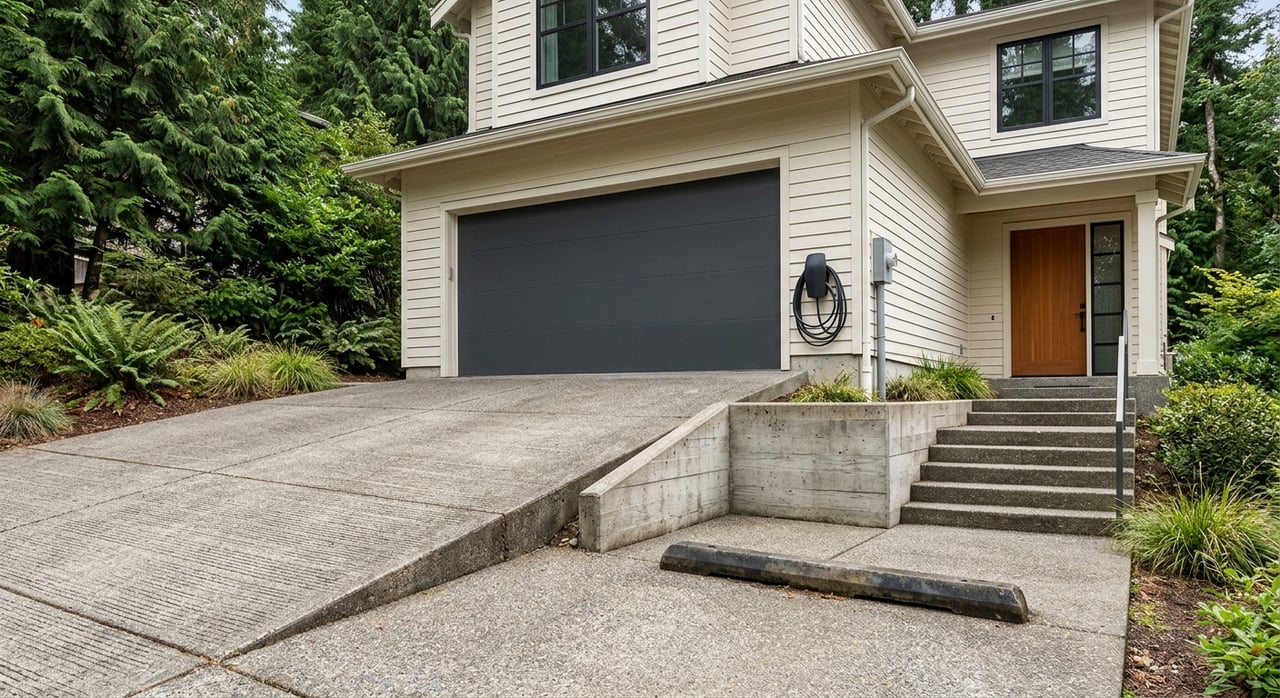
That makes site conditions a real part of your decision. A home with a steep driveway, lots of stairs, or drainage challenges may feel less manageable over time, even if the interior size looks just right.
Best Home Types for Downsizing
Single-Level Detached Homes
For many buyers, the best fit is still a single-level or mostly single-level detached home. Normandy Park’s housing pattern remains heavily single-family, so if you want a rambler-style layout, a main-floor primary suite, or a smaller yard, much of your search will likely focus on the city’s traditional detached housing stock.
This option can work well if you want privacy, space for guests, or extra storage. It may also feel like an easier transition if you are not ready for attached living.
The tradeoff is upkeep. Even a smaller detached home may still bring roof, siding, landscaping, and exterior maintenance responsibilities.
Attached Homes, Condos, and Townhomes
If your main goal is reducing exterior work, attached housing deserves a close look. Normandy Park’s 2044 Housing Element says the city wants to preserve and expand housing choices, including single-family homes, duplexes, and accessory dwelling units, and the city says middle-housing amendments have already been adopted as part of that update.
For you, that means attached and right-sized options may become more common over time. Today, attached homes can be especially appealing if you want a lock-and-leave setup for travel or simply want fewer exterior tasks on your list.
Still, building type alone does not guarantee ease. The better question is whether the home supports the way you want to live now and in the years ahead.
Older Attached Homes and Older Detached Homes
Some downsizers are drawn to older attached housing near 1st Avenue South because it may offer lower-maintenance living than a larger house. The city identifies older attached housing in that area as naturally occurring affordable housing.
That affordability can be attractive, but you will want to look carefully at building condition, reserves, and deferred maintenance. A home that appears easy to maintain day to day can still come with future building-related costs.
Older detached homes can offer more privacy and more flexible space. At the same time, they may require more hands-on care, especially outside.
Features That Make a Home Easier to Live In
When you are downsizing, the layout often matters more than the address alone. A home can look great during a tour but still create friction in daily life if the entry, hallways, or stairs are hard to navigate.
A practical checklist from AARP’s HomeFit guide highlights several features worth watching for:
- At least one zero-step exterior entrance
- Doorways with at least 32 inches of clear width
- Lever-style door handles
- Strong lighting
- Hallways with about 36 inches of clear passage
These are not flashy features, but they can make a big difference in comfort and long-term usability. If you plan to stay put for years, small design details can matter just as much as price or style.
Questions to Ask on a Home Tour
A thoughtful tour can save you from buying a home that feels harder to manage than expected. In Normandy Park, it helps to look beyond finishes and ask practical questions tied to the property’s layout and site.
Consider asking yourself:
- Is there a simple, low-step path from the driveway or garage to the kitchen?
- Does the home have a main-floor bedroom or space that could serve as one later?
- Are stairs inside or outside likely to become a daily frustration?
- Is the driveway steep or difficult in winter weather?
- Does the lot appear easy to maintain?
- Is there room for future modifications if your needs change?
You should also notice how the block feels in real time. The city’s transportation plan says many local access streets are lightly traveled but may lack sidewalks, so walkability can vary quite a bit from one area to another.
How Parks and Daily Routines Fit In
Downsizing is not just about the house. It is also about what your daily life feels like once you move.
Normandy Park’s park system is a real advantage if you want to stay active without taking care of a larger property. The city says its walking trail system includes three interconnected loops and a perimeter route of roughly 5.7 miles. Marvista Park also includes a paved ADA-accessible trail, benches, picnic tables, and an ADA-compliant restroom.
Those features can add a lot of value to everyday life. If your new home has a smaller yard, nearby outdoor access may help that choice feel like a gain rather than a compromise.
Errands matter too. City survey results show residents rely heavily on the Towne Center and Manhattan commercial centers, which suggests daily convenience is often tied to a few local hubs rather than a dense retail grid.
If being close to errands is important, check the exact location instead of assuming the whole city functions the same way. A quiet residential setting may be a plus, but it may also mean you will drive more for regular stops.
Transit and a Lock-and-Leave Lifestyle
For some downsizers, the goal is not just a smaller home. It is a simpler routine with more flexibility.
King County Metro Route 165 serves Normandy Park and connects the city with Burien, Des Moines, Kent Des Moines Station, and Green River College. If you want to reduce car dependence or make travel days easier, being near that route may support a more convenient lock-and-leave lifestyle.
This can be especially useful if you are comparing an attached home with a smaller detached home. In some cases, location and ease of access may matter more than getting every feature on your wish list.
A Simple Downsizing Framework
If you are unsure which property type fits best, start with the friction point you want to solve. That can make the search much clearer.
If Stairs Are the Main Issue
Focus on a true rambler, a mostly one-level home, or a property with a main-floor primary suite. Interior ease may matter more than total square footage.
If Exterior Work Is the Main Issue
Look closely at attached homes or properties with shared or managed exterior responsibilities. This may be the strongest fit if you travel often or want fewer seasonal chores.
If Privacy and Storage Matter Most
A smaller detached home may still be the best answer. You may take on more upkeep, but you can gain flexibility for hobbies, guests, or extra storage.
If the Property Is on a Slope
Treat it as a higher-maintenance option until you are confident the access, drainage, and day-to-day usability really work for you. In Normandy Park, site conditions can change the feel of a home more than buyers expect.
What Local Housing Trends Suggest
Normandy Park’s present housing stock still leans strongly toward detached homes. At the same time, the city’s ongoing middle-housing and ADU policy updates suggest that attached and right-sized options may become more available over time.
Local survey feedback also offers a useful clue. In the city’s 2024 housing survey, respondents most often selected single-family detached homes, followed by attached homes and accessory dwelling units, while condo and cottage-type options were selected less often.
That is not a forecast, but it does suggest that buyers in Normandy Park are still thinking primarily in terms of detached housing, with attached options playing a secondary role. If you are waiting for the perfect low-maintenance fit, that local context is important.
Finding the Right Fit for Your Next Chapter
Downsizing in Normandy Park works best when you match the home to the life you want, not just the price range or bedroom count. In this market, the strongest options are often a one-level detached home, a compact attached home, or a smaller updated property with less yard and easier access.
The key is to look closely at layout, lot conditions, walkability, and long-term comfort. When you do, you can find a home that feels lighter to own without giving up the calm, green setting that draws so many people to Normandy Park in the first place.
If you are weighing your options in Normandy Park or planning a move from a larger home, Michelle Codd can help you compare property types, refine your search, and make your next move with clarity.
FAQs
What types of homes are best for downsizing in Normandy Park?
- The most common fits are single-level detached homes, mostly one-level homes with a main-floor primary suite, and attached homes that may reduce exterior upkeep.
What makes a home low-maintenance in Normandy Park?
- In Normandy Park, low-maintenance often depends on layout, lot size, slope, driveway access, drainage, and how much exterior work the property requires.
Are attached homes available for downsizers in Normandy Park?
- Yes, attached homes are an option, and the city’s housing updates suggest a broader mix of housing choices may continue to expand over time.
What should downsizers check during a Normandy Park home tour?
- Pay attention to entry steps, doorway width, lighting, hall space, garage-to-kitchen access, stairs, driveway steepness, and how easy the yard looks to maintain.
Is Normandy Park walkable for downsizers?
- Walkability varies by block because the city is low-density and some local access streets may not have sidewalks, so it is important to evaluate each location individually.
How do parks support downsizing in Normandy Park?
- The city’s more than 100 acres of parkland, interconnected walking loops, and ADA-accessible features at Marvista Park can make it easier to stay active without maintaining a large yard.