Looking at a mid-century home in Normandy Park and wondering which updates are worth your money? You are not alone. These homes often have great lines, big windows, and practical layouts, but the smartest buying decisions usually come from what is behind the walls and under the roof, not from the finish choices you notice first. This guide will help you focus on the updates that matter most so you can buy with more confidence. Let’s dive in.
Why mid-century homes stand out here
Normandy Park has a strong connection to postwar housing. Local history notes that the area saw renewed development in the late 1940s and early 1950s, and King County assessor materials for the area show older homes from that era, including examples built in 1941, 1942, and 1958. In practical terms, that means many buyers here will be looking at older single-family homes rather than newer construction.
That matters because a mid-century Normandy Park home often comes with both charm and a specific maintenance profile. The city’s planning materials discuss unsewered areas, stormwater management, shoreline management, and sea-level rise, so local due diligence goes beyond the standard checklist.
Common mid-century features to expect
Rambler and ranch details
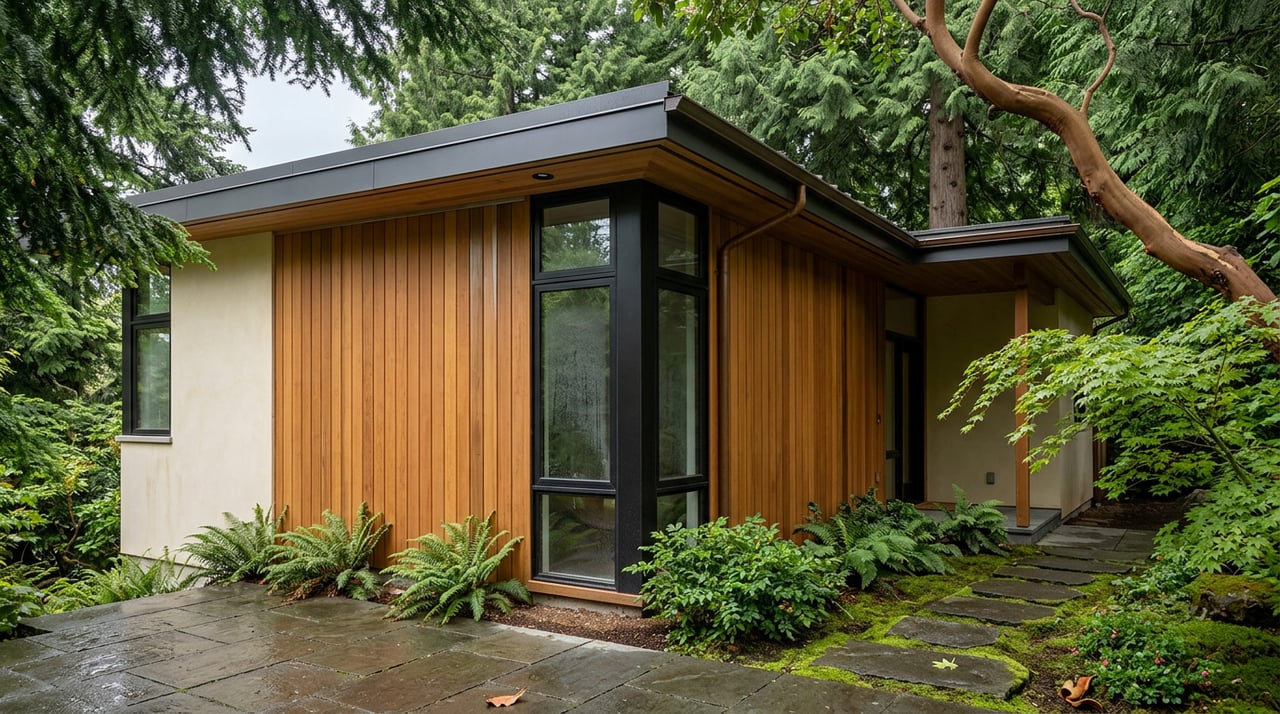
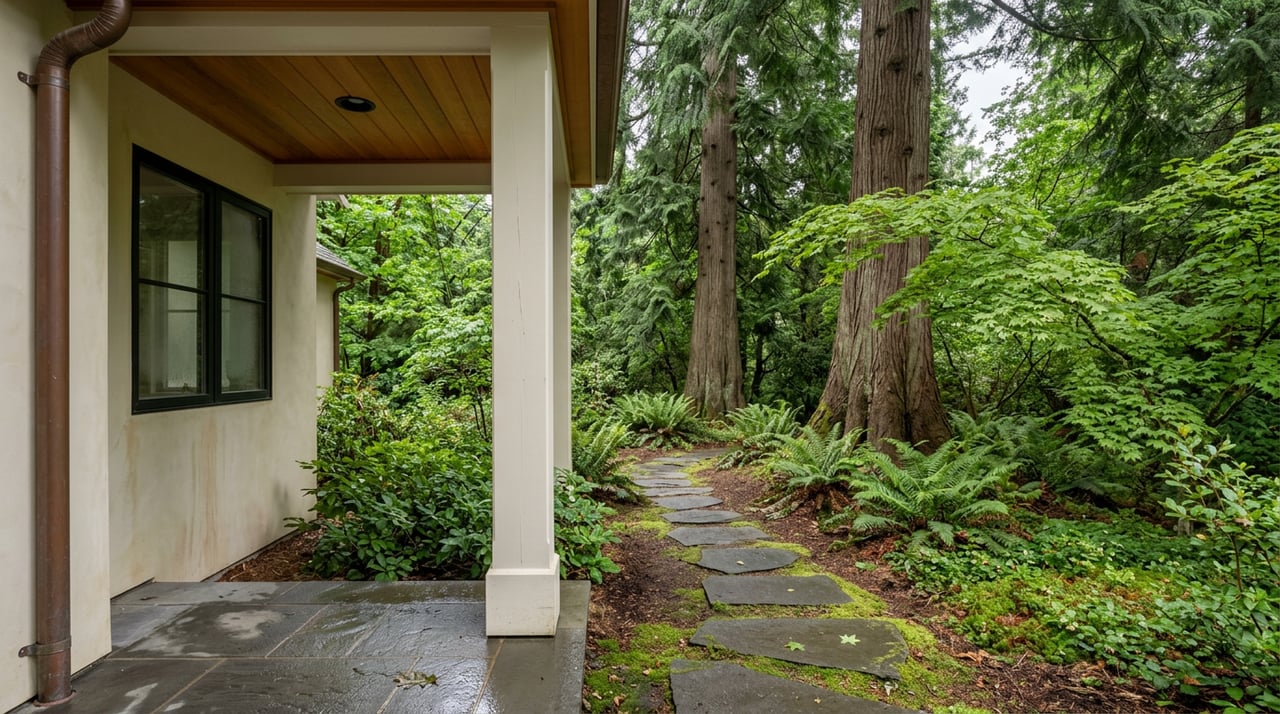
Many mid-century homes in this area reflect classic ranch-house design. King County describes these homes as horizontally oriented, usually single-story, with shallow-pitched roofs, recessed or sheltered entries, attached garages, picture windows, and occasional brick accents.
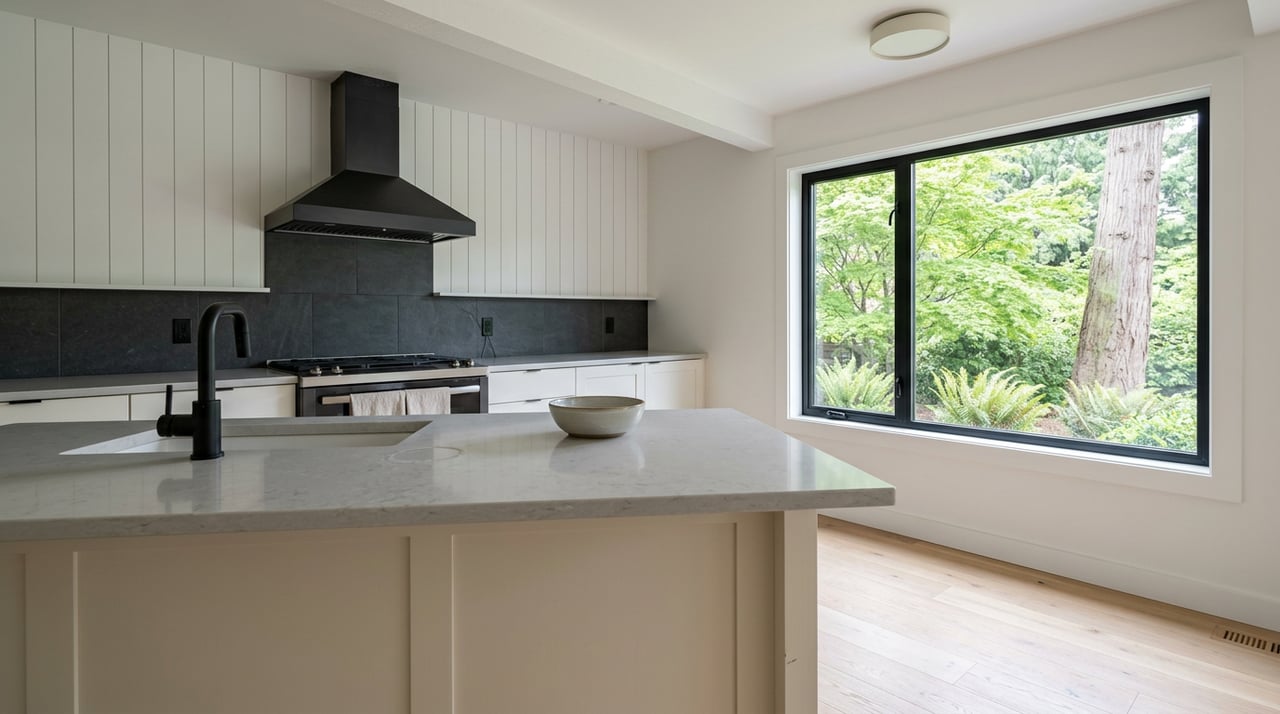
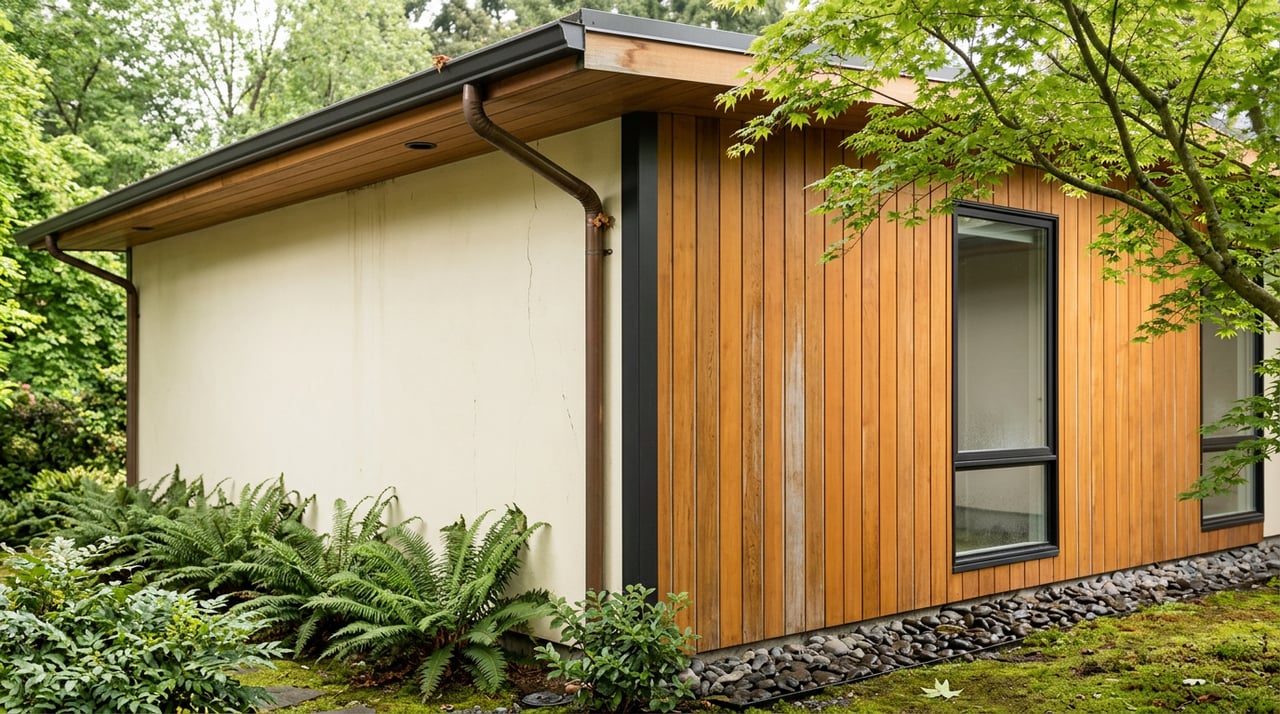
You may also see wide eaves, patios or decks that extend living space outdoors, and a clean, low-profile look. These are often the features buyers love most, so thoughtful updates usually work best when they improve comfort and performance without stripping away that simple design.
Split-level and contemporary layouts
You may also come across split-levels and contemporary mid-century variants. King County notes that split-level and split-entry homes became popular because they offered more interior space while using less lot area, and they worked especially well on sloping sites.
That makes them especially relevant in Normandy Park, where drainage and site conditions can be important. These homes may include low-pitched roofs, deep eaves, broad wall surfaces, large glass areas, simple trim, and integrated garages or carports.
Start with condition, not cosmetics
When you walk through a stylish mid-century home, it is easy to focus on the kitchen, flooring, or paint colors. In Normandy Park, the better strategy is usually to start with a condition-led budget.
That means putting drainage, insulation, air sealing, safety concerns, and major systems ahead of design upgrades. Cosmetic improvements can wait. Moisture issues, utility questions, and older materials usually should not.
The first things to inspect
Water management comes first
In Normandy Park, water management deserves top billing. The city says stormwater drains through creek basins and directly to Puget Sound, and it specifically notes that directing rainwater may not be appropriate at the tops of bluffs or steep slopes.
For you as a buyer, that means checking the roof, gutters, grading, visible drainage paths, and any signs of chronic moisture. Look closely at crawlspaces, lower levels, garage edges, and exterior areas where water may collect or flow toward the house.
Verify sewer service
Do not assume every property has the same utility setup. Normandy Park’s local-agencies page lists both Midway Sewer District and Southwest Suburban Sewer District among sewer resources, and the city’s comprehensive planning materials still reference unsewered areas.
Before you get too far into a purchase, verify whether the specific property is connected to sewer and which utility serves it. This is a local detail that can affect your planning, inspection priorities, and future improvement costs.
Check the thermal envelope
Older homes often have less insulation than newer ones. The U.S. Department of Energy says air sealing should come before adding insulation, which makes leak sealing, attic insulation, and crawlspace insulation important items to review in a mid-century home.
If you are buying a rambler, this can be especially important because a lot of the home’s comfort and efficiency depends on how well the attic and crawlspace perform. A house can look beautifully updated and still feel drafty or expensive to heat if these basics were skipped.
Review major systems carefully
Before you plan a remodel, make sure the home’s core systems are in solid shape. HUD says a home inspection should determine the condition of the plumbing, heating, cooling, electrical systems, roof, siding, windows, and doors.
That checklist is a smart place to start. In many mid-century homes, the highest-value dollars are not the flashy ones. They are the dollars that make the house safer, drier, and easier to live in.
Watch for lead and asbestos risks
If the home was built before 1978, lead-based paint may be present. EPA also notes that asbestos is commonly found in older homes in materials such as floor tile, ceiling tile, shingles, siding, and some insulation.
That does not automatically mean a deal is bad. It does mean you should plan carefully before sanding, opening walls, or replacing old finishes. If suspect materials may be disturbed, testing and lead-safe work practices should be part of your budget.
Updates that usually deliver the best value
Air sealing and insulation
For many mid-century homes, this is one of the best places to start. DOE describes air sealing and insulation as among the fastest and most cost-effective ways to reduce energy waste, and notes that many older homes need added insulation.
In practical terms, buyers often get the biggest return by improving attic performance first, then addressing targeted crawlspace, rim-joist, and wall areas as needed. These upgrades may not be glamorous, but they can make a real difference in comfort and operating costs.
Heating and cooling improvements
Heat pumps can be a strong retrofit option for older homes. DOE says they are efficient in all climates and advises weatherizing an older home before replacing a gas heating system with a heat pump.
If the house has limited or no ductwork, a ductless mini-split may be especially useful. For many mid-century buyers, this is a practical way to improve both heating and cooling without overhauling the whole layout.
Window repairs before replacement
Original windows often raise a big question: repair or replace? DOE says air leaks around windows can often be reduced with caulk and weatherstripping, and that storm windows can reduce heat loss through windows by 25% to 50%.
That means full replacement is not always the first or best move. If the original windows are still serviceable, a repair-first approach may improve efficiency while preserving more of the home’s character.
Lead-safe and asbestos-aware rehab
Before you start demo work, build safety into the plan. EPA says lead-safe certified firms should be used for pre-1978 renovation work, and asbestos should be tested by a qualified laboratory or professional when renovation could disturb suspect materials.
This is especially important in homes where you want to update flooring, remove wall finishes, or open up rooms. A smarter rehab plan starts with knowing what you are touching before the first hammer swing.
Financing larger renovation plans
Sometimes the right house needs more than a few targeted improvements. HUD notes that the FHA 203(k) program can finance a home that is at least one year old and can cover rehabilitation work, including repairs or replacement of plumbing, heating, air conditioning, and electrical systems.
If you are considering a bigger scope, this can be worth discussing early in your home search. It may open up options that feel intimidating at first glance.
How to protect mid-century character
The best updates usually respect the home’s original design language. In a Normandy Park mid-century home, that often means preserving broad eaves, simple trim, wood finishes, large window openings, and brick or stone accents when possible.
You do not need to freeze the home in time to make a smart purchase. The goal is to improve how the house performs while keeping the clean lines and open feel that made you notice it in the first place.
A practical budget strategy for buyers
If you are comparing two homes, the one with the newer-looking finishes is not always the better buy. A more defensible budget usually puts money into the following order:
- Drainage, roof, gutters, and grading
- Sewer and utility verification
- Insulation and air sealing
- Heating, cooling, plumbing, and electrical systems
- Lead-safe and asbestos-aware planning
- Window repair or weatherization
- Cosmetic upgrades and design changes
That order helps you address the issues that affect livability, safety, and long-term ownership first. In a moisture-sensitive area like Normandy Park, those basics matter.
If you are weighing a mid-century home in Normandy Park and want a clear-eyed strategy before you buy, working with the right guidance can make the process much easier. Michelle Codd helps buyers look past surface appeal, understand what updates matter most, and make confident decisions in Seattle-area neighborhoods and surrounding markets.
FAQs
What updates matter most in a Normandy Park mid-century home?
- The most important updates usually involve drainage, sewer verification, insulation, air sealing, major mechanical systems, and safe handling of older materials before cosmetic remodeling.
Why is water management so important for Normandy Park buyers?
- Normandy Park’s local stormwater guidance notes creek-basin and Puget Sound drainage patterns, and it specifically highlights site sensitivity near bluffs or steep slopes, making moisture and runoff conditions important to inspect.
Should you replace original windows in a mid-century Normandy Park home?
- Not always. DOE says air leaks can often be reduced with caulk and weatherstripping, and storm windows can reduce heat loss, so repair may be a practical first step if the windows are still serviceable.
How should buyers handle lead paint or asbestos in an older Normandy Park home?
- If renovation may disturb suspect materials, plan for testing where appropriate and use lead-safe work practices, especially in homes built before 1978.
Are all Normandy Park homes connected to sewer?
- No buyer should assume that. City materials reference unsewered areas and list multiple sewer resources, so you should verify sewer connection and service for the specific property during due diligence.
Is a heat pump a good fit for a mid-century Normandy Park house?
- It can be. DOE says heat pumps are efficient in all climates, and ductless mini-splits can be especially useful in older homes with limited or no ductwork.