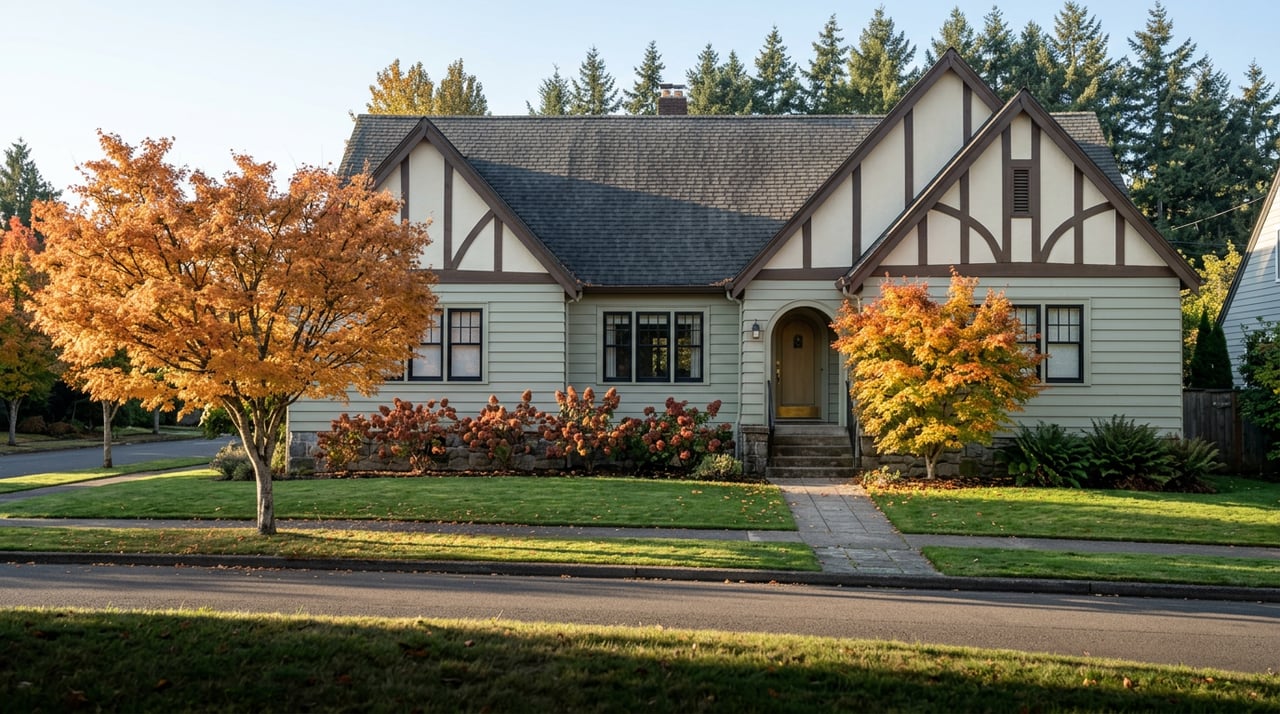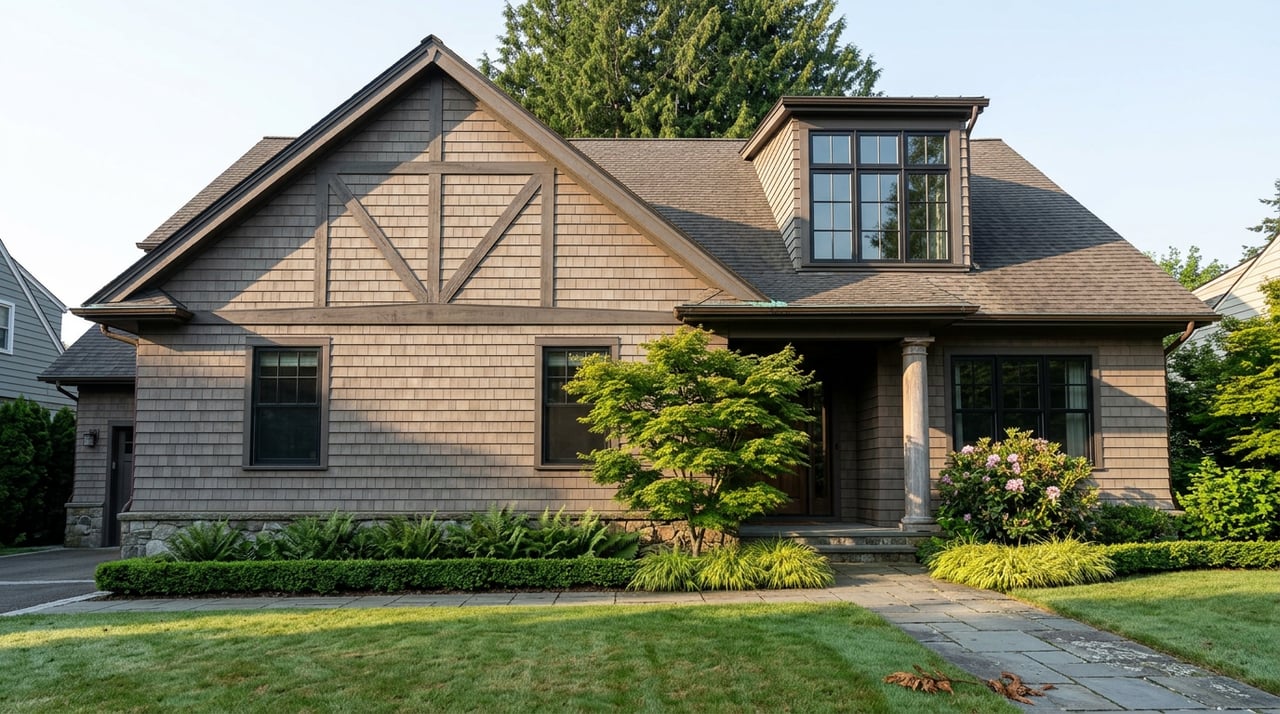
In 2022, a Normandy Park seller could hand a buyer a blank Form 17 and expect an inspection waiver anyway. In 2026, that trade has reversed, and the sellers who understand the new math are the ones ordering their own reports before the sign goes in the yard.
The reversal is small in the aggregate numbers and enormous in the transaction. In March 2026, Normandy Park's median sale price sat around $1.4M with homes going pending in about six days, down 2.7 percent year over year. By early summer the picture had softened further. Homes.com pegged the June 2026 median at $1,110,000 with homes averaging 27 days on market, and Movoto measured May 2026 days on market at 21, flat against the prior year. Zillow's home value index for the city fell 5.4 percent over the trailing twelve months to $982,535. Whichever series you trust, the direction is the same: buyers have their contingencies back.
The mechanic that changed
Two years ago the seller's leverage was that a buyer would waive inspection to win a bidding war. That leverage came from scarcity, not statute, and it evaporated the moment inventory softened. What remains is the statute, and the statute cuts in a direction most sellers don't fully appreciate until they're on the receiving end of a repair request.
Washington's Seller Disclosure Statement requires accurate reporting of what the seller actually knows. That is the entire hinge of the pre-inspection decision. A seller who orders a pre-inspection is choosing to create actual knowledge, and once it exists the statute requires accurate disclosure of it. The trade is real. You are exchanging optionality for information.
Here is why the trade now pencils out in Normandy Park when it did not before:
| Signal | 2022 posture | 2026 posture |
|---|---|---|
| Inspection contingency | Frequently waived | Rarely waived on non-cash offers |
| Days to pending (Normandy Park) | Under a week | 21 to 27 depending on source |
| Repair request likelihood | Low | Materially higher |
| Cost of surprise mid-contingency | Modest | The renegotiation now anchors the sale price |
The pre-inspection question used to be about disclosure exposure. In this market it is about who gets to frame the repair conversation, the seller with a plan or the buyer with fresh leverage inside a fifteen-day window.
What a Normandy Park pre-inspection actually creates on Form 17
The disclosure form is not one blob of text. It is a set of specific yes, no, and don't-know boxes tied to physical systems, and each pre-inspection add-on maps onto a different set of those boxes. In practical terms:
- A sewer scope maps onto the sewer section, which asks the seller to identify whether the property is on public sewer or an on-site sewage system and whether there are defects in operation. A camera converts "don't know" into a defensible answer.
- A roof and attic inspection maps onto the structural question about whether the roof has leaked within the last five years, plus attic moisture staining that a buyer's inspector will photograph either way.
- A structural walk with a moisture meter maps onto the settling, foundation, and prior water damage prompts, and, in Normandy Park specifically, onto the slope and drainage prompts that a competent buyer's agent will scrutinize.
- A permit history pull from the city confirms whether basement conversions, decks, or additions were finaled. City Hall at 801 SW 174th handles inspection scheduling on Mondays, Wednesdays, and Fridays subject to availability and holidays, and a permit records request is the same portal.
The statute is RCW 64.06.020 and it does not require the seller to investigate. It requires accurate disclosure of what the seller actually knows. That subtle difference is the entire strategy conversation.
The sewer scope decision, specifically here
Normandy Park is not a place where side sewers are a mystery. Most of the city is served by Southwest Suburban Sewer District, which was established in 1945 to operate infrastructure originally installed by the federal government during World War II and now encompasses roughly a 10-square-mile region serving Burien, Normandy Park, portions of Seattle, Des Moines, SeaTac, and part of Valley View Sewer District. The district's mains are professionally maintained. The lateral running from your house to the main is not the district's responsibility. It is yours, and it is often as old as the home.
That matters because Normandy Park housing stock is heavy on northwest contemporaries, mid-century moderns, and 60s and 70s split-levels and ramblers, which is the vintage where clay tile and cast iron dominate. Sewer scopes run $200 to $400 and are increasingly standard for any home built before about 1980. Buyers know this. Their inspectors will recommend a scope regardless of what Form 17 says. Ordering it yourself accomplishes three things a buyer-side scope cannot: you choose the vendor, you control the timing, and if the scope surfaces a root intrusion or belly, you can get bids and either repair or price it in before the listing hits the MLS. Local video pipe inspection tends to price in the same neighborhood, around $220 to $450 per service call, and takes an hour or two.
Three items that earn their keep in this micro-market
Not every add-on justifies its cost. In Normandy Park, three do.
- The sewer scope, for the vintage reason above and because the side sewer is the single most common mid-contingency renegotiation trigger on the pricing tier this city sits in.
- A full roof and attic look with thermal imaging. Normandy Park sits on Puget Sound, and a local inspector's calling card here is spotting corrosion and weather-related wear that inland inspectors miss. Thermal reads moisture behind sheathing before a stain surfaces, and the five-year roof question on Form 17 is the section buyers read hardest.
- A structural and drainage walk for lots with slope. Much of the city drops toward the water. King County has areas prone to slope instability, and known slope movement, retaining wall failures, or geotechnical reports are disclosable when the seller has them. If you have a report from a prior project sitting in a drawer, it is already actual knowledge. If you do not, an engineer's letter after a walk-through is cheap insurance and, on a bluff-adjacent lot, often the difference between a clean sale and a price reduction.
Radon and mold testing sit one tier down. Order them if you have a finished basement, a documented moisture episode, or a buyer pool that skews health-sensitive. Skip them if the crawl space is dry and the previous owner's records are clean.
The cost math, plainly
Pre-inspection costs typically run $400 to $800 in the Seattle metro depending on size, age, and add-ons like sewer scope. On a Normandy Park sale where the median is now in seven figures, that is between four and eight basis points of the transaction. The comparable cost of a mid-contingency repair credit on a surprise side sewer finding is routinely five figures, and the psychological cost of a buyer who feels they discovered a defect the seller should have known about is harder to price and worse for the sale.
When the pre-inspection is a bad trade
Two situations argue for restraint. A home built in the last ten years with clean permits, PVC laterals, and a documented roof does not need a pre-inspection to make Form 17 accurate. The seller can honestly answer most sections without creating a report. And an estate sale where the seller has never lived in the property genuinely has no knowledge to protect. In both cases the "don't know" box is defensible and the buyer's own inspection is where the information will properly live.
Everywhere else in this housing stock, the calculation now favors ordering the report, reading it with your agent, and making decisions before the market sees the listing.
FAQ
Do I have to share the pre-inspection report with buyers? No. The statutory duty is to disclose actual knowledge of defects, not to hand over documents. That said, in a market where buyers are cautious, a clean report is a marketing asset. A messy one is a repair list.
Does Normandy Park still have homes on septic? Some, particularly on the older peripheries. If you are on an on-site system, Form 17 asks whether a permit was issued and approved by the local health department and whether there are defects in operation. Pull the as-built and the last pumping record before you touch the disclosure.
What about the marine air question buyers keep asking? It is a real inspection factor. Local inspectors flag corrosion and weather-related wear as prevalent in coastal communities. Gutters, flashings, and exterior fasteners age faster here than three miles inland. A pre-inspection lets you address those items on your schedule instead of a buyer's.
How fast can the city turn a records request? Building permit inspection scheduling runs on a Monday, Wednesday, Friday cadence, and the permit center handles records requests through the same portal. Plan on a week if your file is straightforward.
The Normandy Park pre-inspection question in 2026 is not whether to spend $400 to $800. It is whether you would rather learn about your side sewer from your own plumber on a Tuesday or from the buyer's inspector on day twelve of a fifteen-day contingency. If you are thinking about listing this fall, Michelle Codd Homes will walk your property, tell you which reports are worth pulling for your specific home, and coordinate the vendors so the answers are in your hands before the listing goes live. Get your home value and start the conversation.